Main Residence (Private Rental)
A Traditional Edo-Period House Preserved with Care
Your stay takes place in this Main Residence, known as the omoya in Japanese.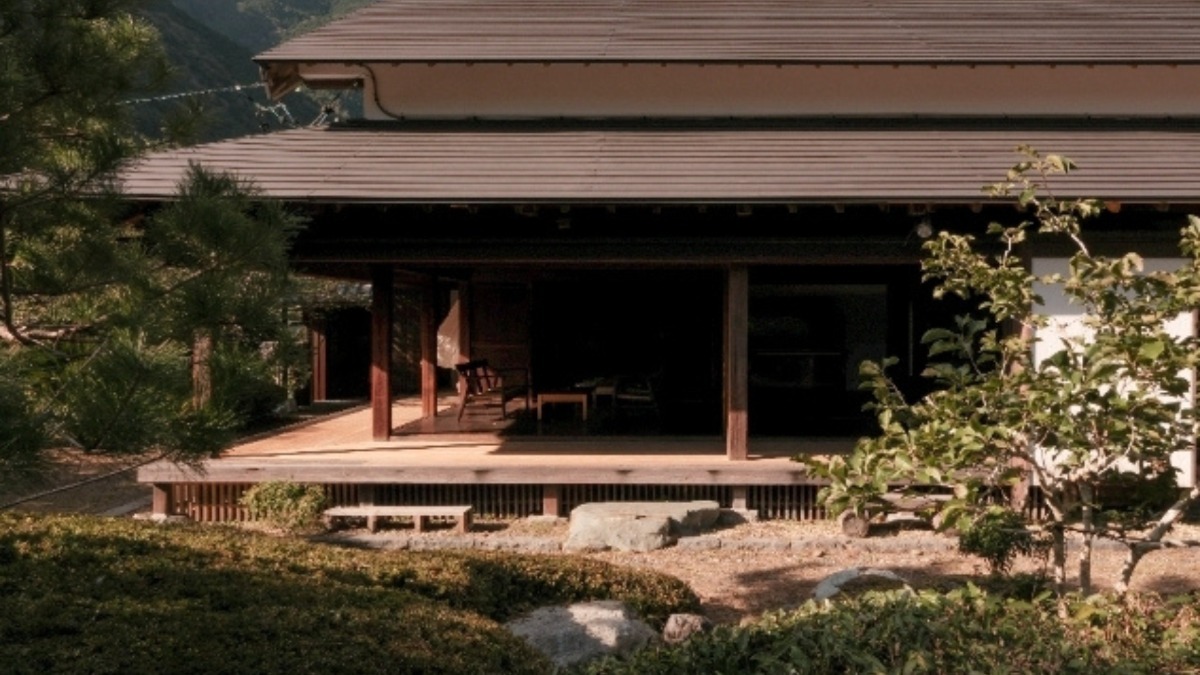
As you step through the entrance, you’ll find an irori (sunken hearth) and a series of rooms laid out in a traditional “ta-no-ji” (rice field-shaped) floor plan to the west.
The irori was originally used for cooking and heating, with a steady charcoal fire always burning beneath a suspended copper kettle.
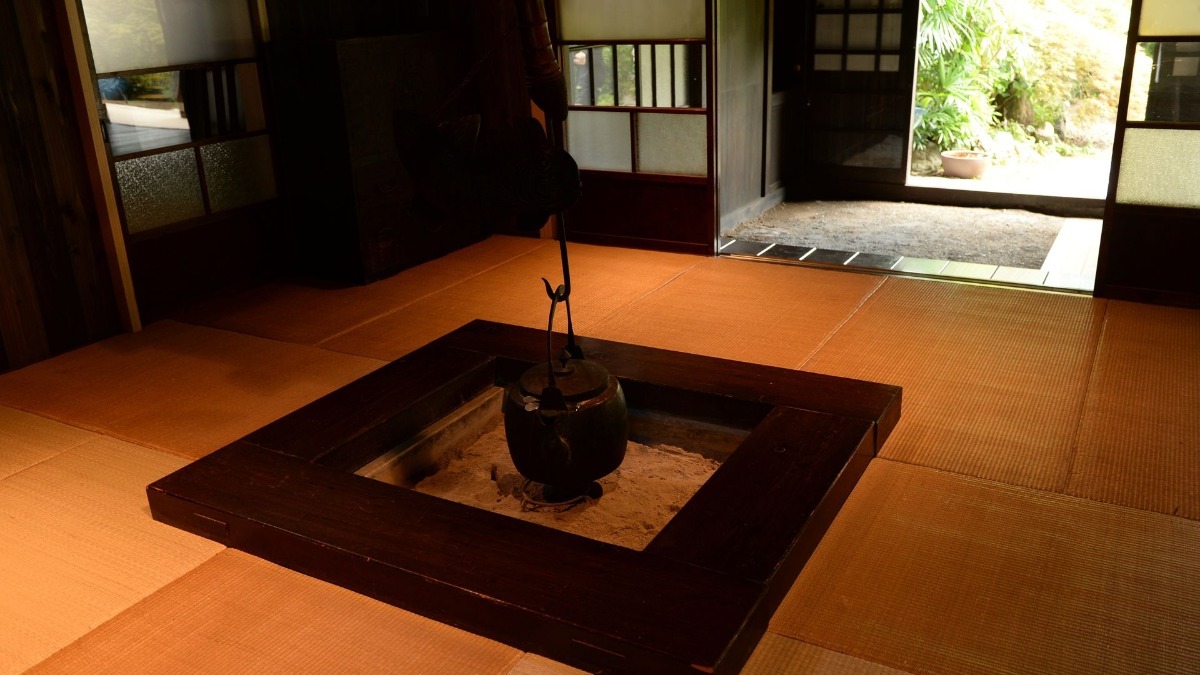 This copper kettle was made by hand from a single hammered sheet of copper—no seams, no leaks.
Thick Beams, Tall Ceilings, and the Daikokubashira(the central piller)
This house was built in the late 1700s, before the use of powered tools.
Owner and craftsmen selected pine trees from nearby mountains, felled and dried them, and reportedly spent nearly ten years preparing the materials before construction even began.
When you see the structure in person, the sheer scale and manual labor speak for themselves.
How did they find and cut the curved akamatsu pine for the roof?
How did they lift those enormous beams into place?
In an era before saws were common, you can still see the smooth traces left by kanna (Japanese hand planes).
Each mark on the wood tells the story of Edo-period carpenters—their skill, rhythm, and breath.
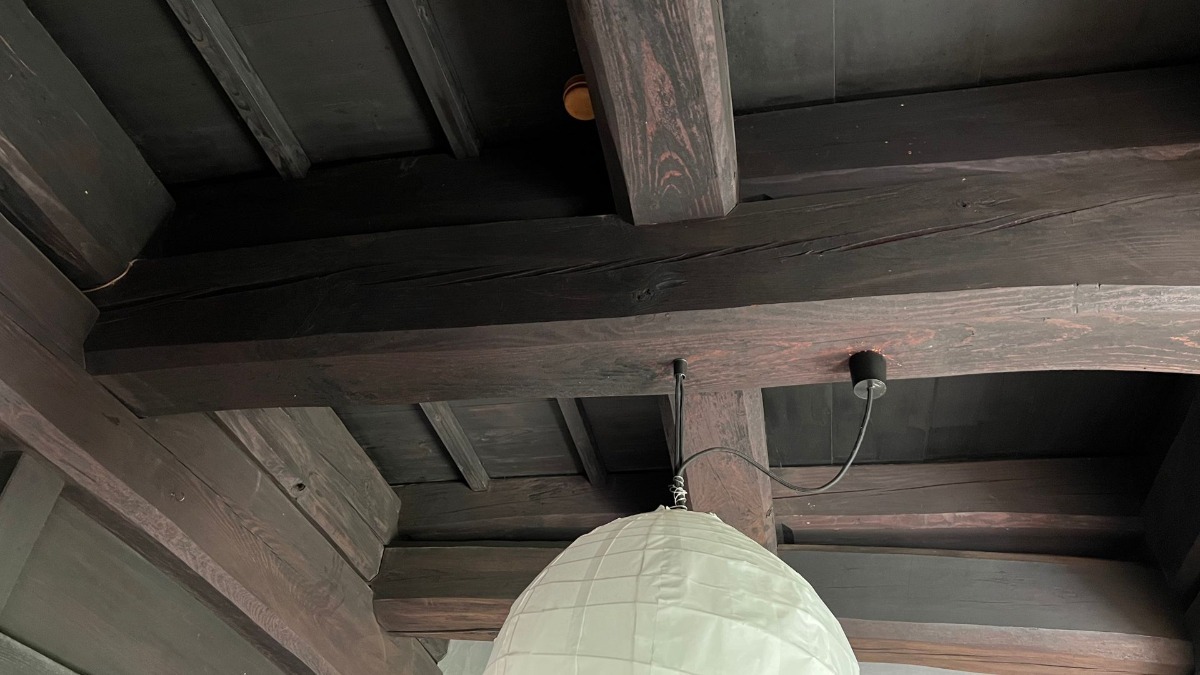 Double-layered beams. They look like they’ll hold strong for another hundred years.
The main support pillar, or daikokubashira, measures about 30 cm in diameter and is held in place with wooden wedges called kusabi (also known as hanasen).
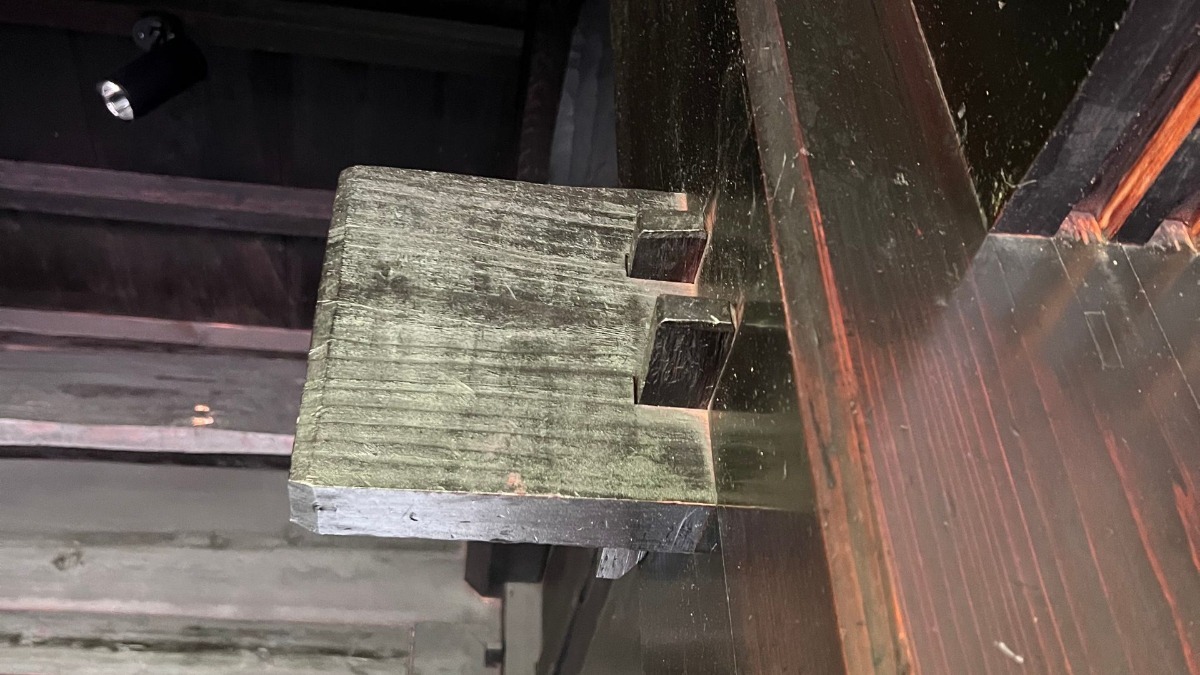 The main pillar’s wedge (kusabi / hanasen): removing it allows the whole house to be taken apart and reassembled.
At that time, nails were rarely used. Instead, the structure was assembled with kusabi wedges and interlocking joinery techniques.
It is believed that the entire frame was first assembled at a different location to confirm the fit, then disassembled and rebuilt on this site.
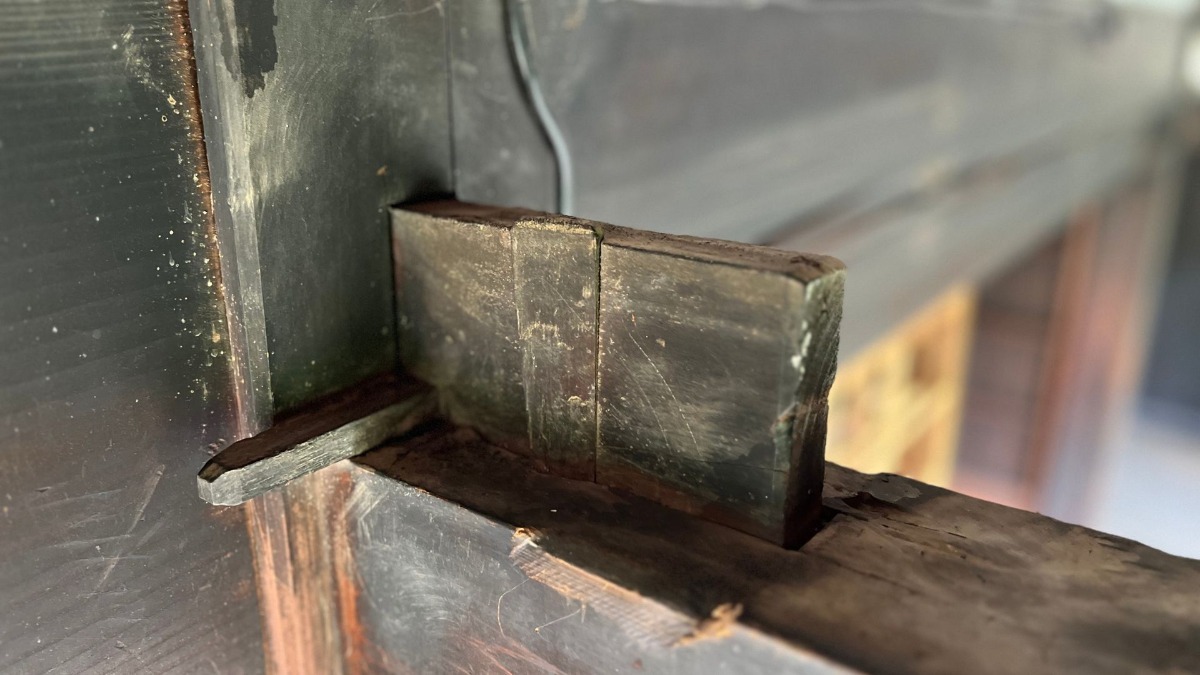 A wedge on the engawa (veranda), which may have once been part of the eaves.
While some nails were eventually found during seismic retrofitting, these were traditional wakugi (hand-forged Japanese nails).
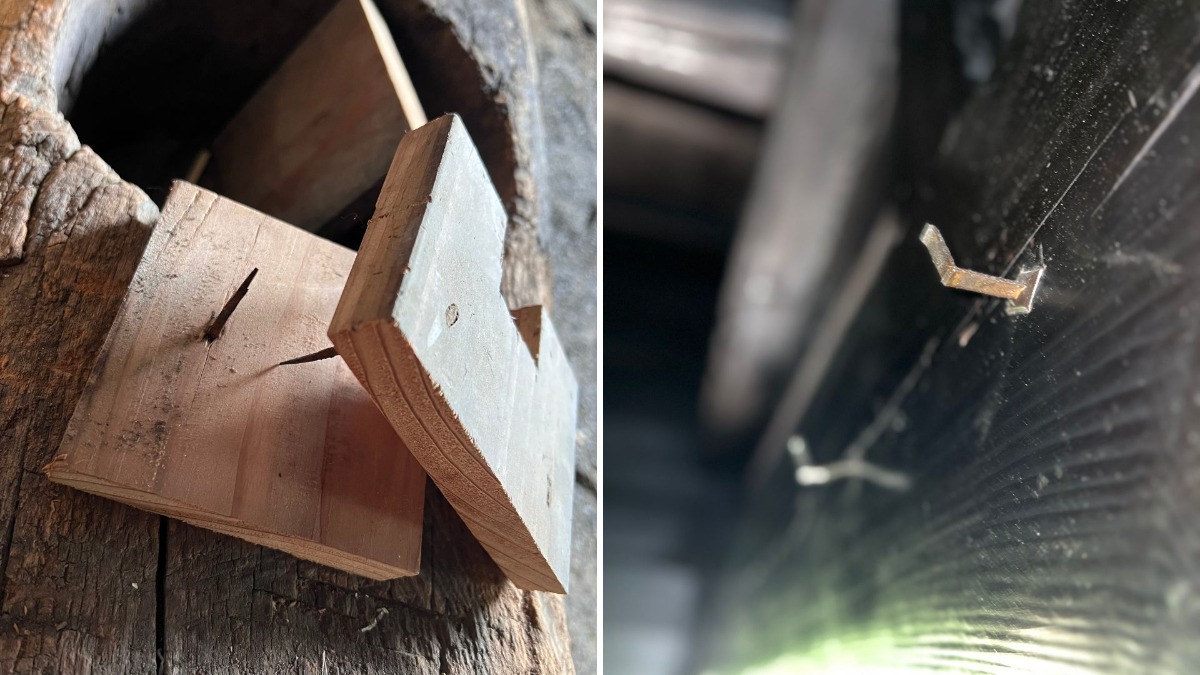 Wakugi are pyramid-shaped and each one is slightly different—a fascinating detail of handmade craftsmanship.
Thinking Back on 250 Years of Craftsmanship
From plane marks on the beams to gaps between wooden walls, to the decorative metal covers that conceal nails—every detail of the Main Residence reveals the hands of artisans.
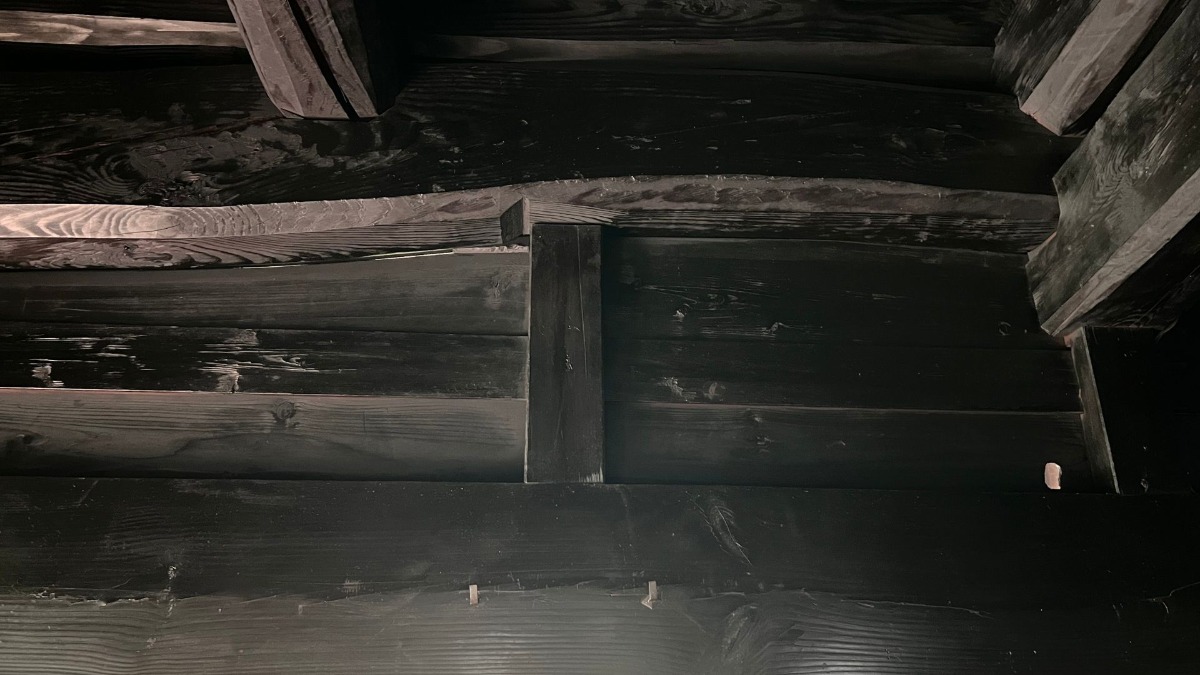 The planks are hand-shaped to match the beam curves with precision.
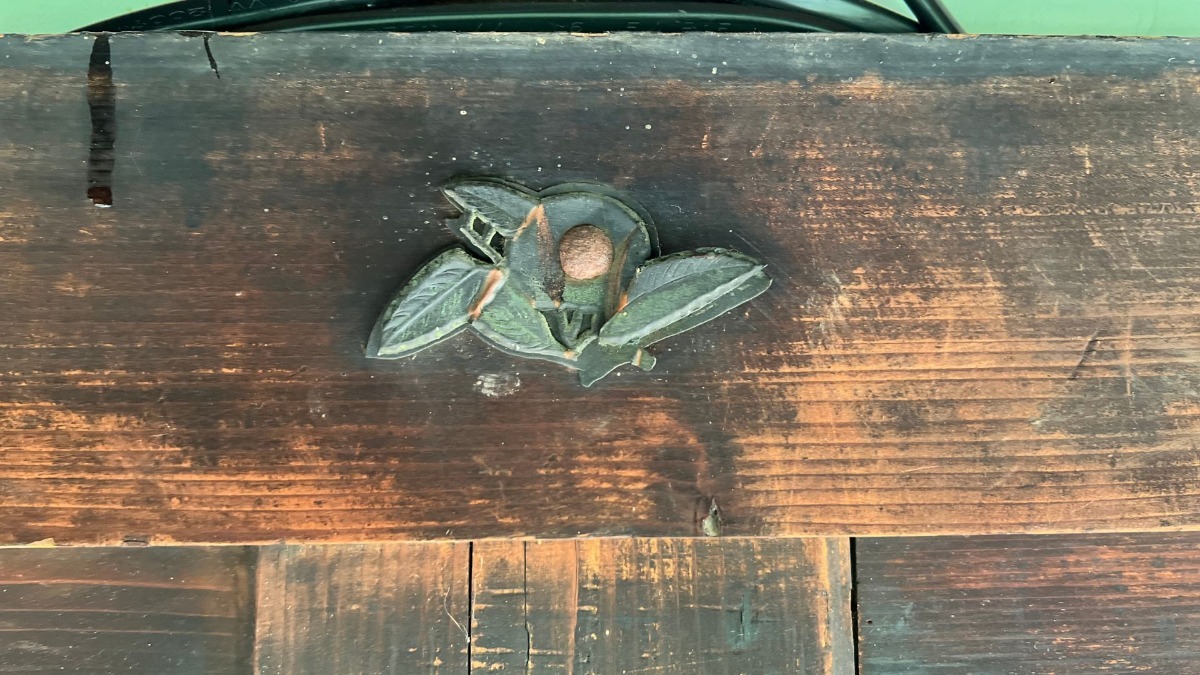 Decorative metal covers hide the nails—these are believed to date from the Meiji period or later.
For lovers of architecture and craftsmanship, this house is a treasure trove.
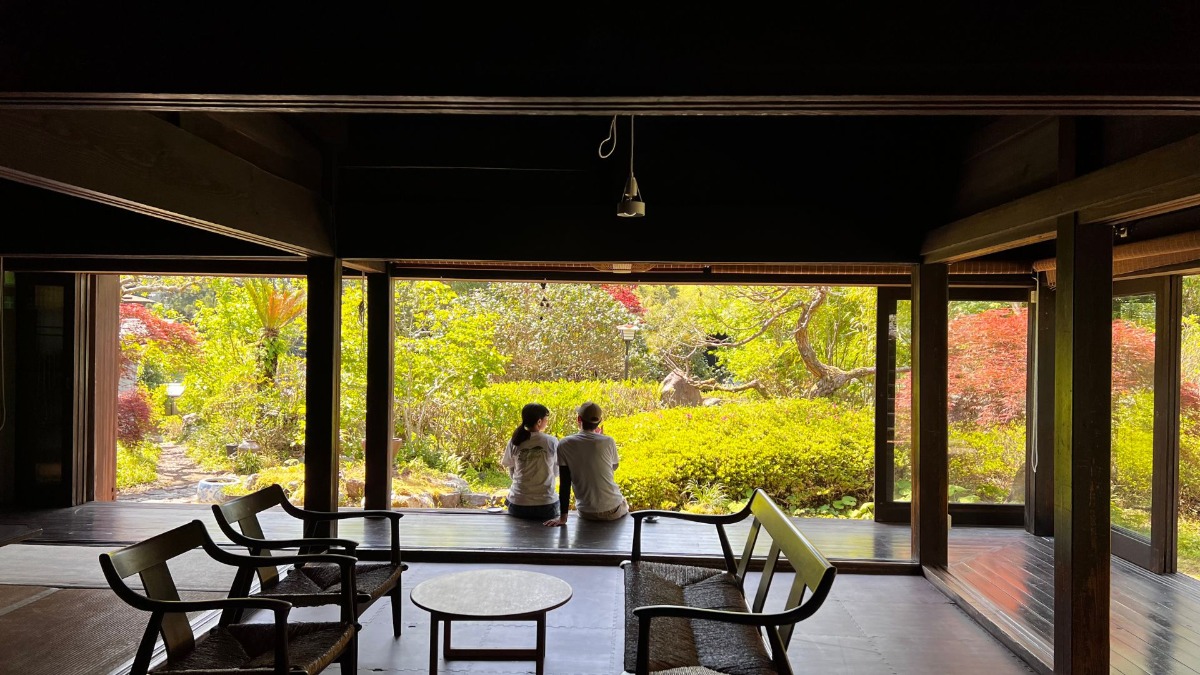
But even if you’re not here to analyze the structure, simply sitting quietly on the engawa (veranda) is a wonderful way to spend your time.
Sunny days and rainy days both offer their own beauty.
If you’re someone who wants to see and feel old Japan, staying in this house will be an unforgettable part of your journey.
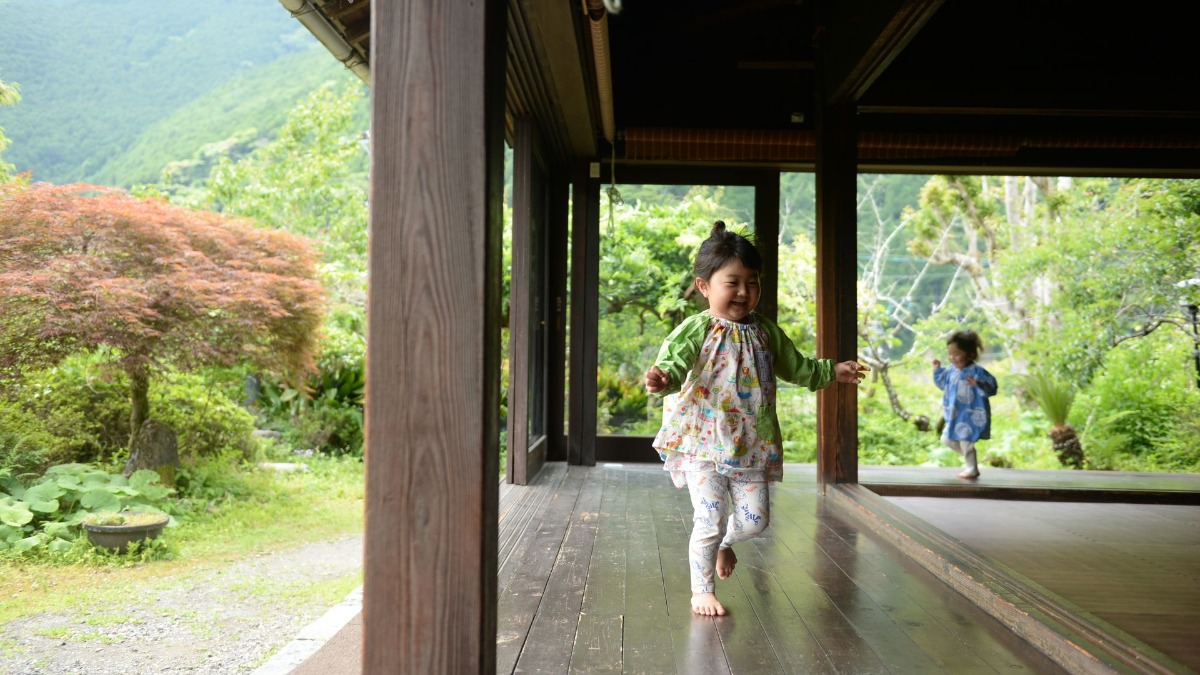
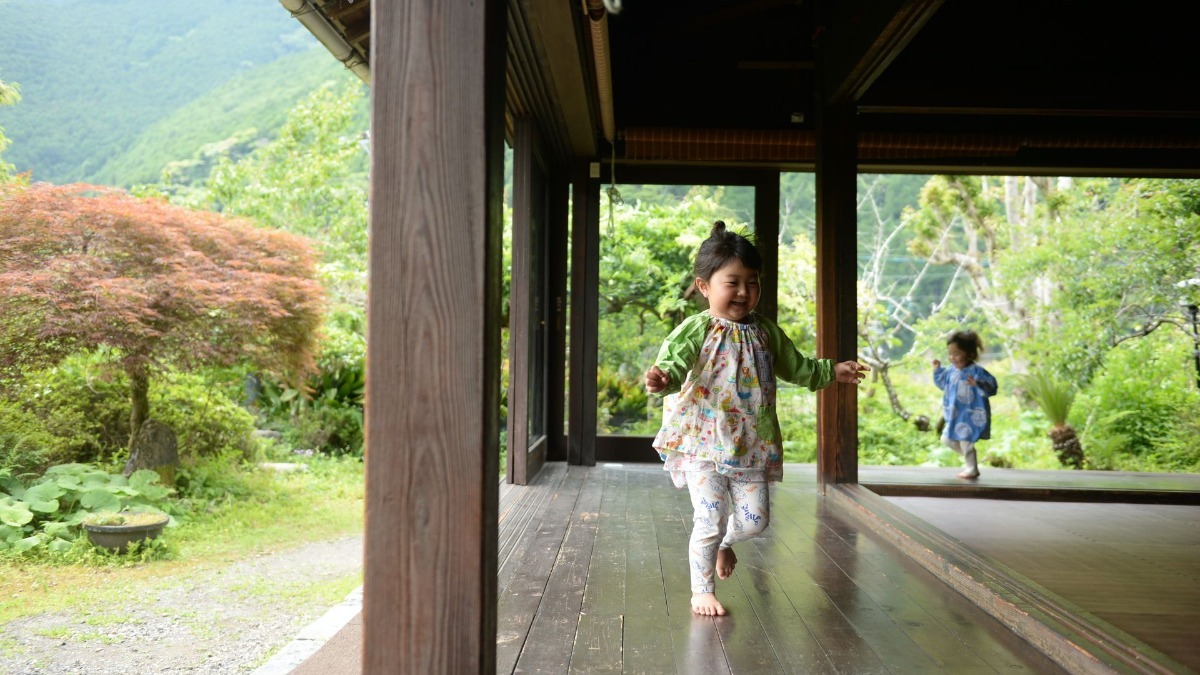 A place where children can run freely, without anyone minding.
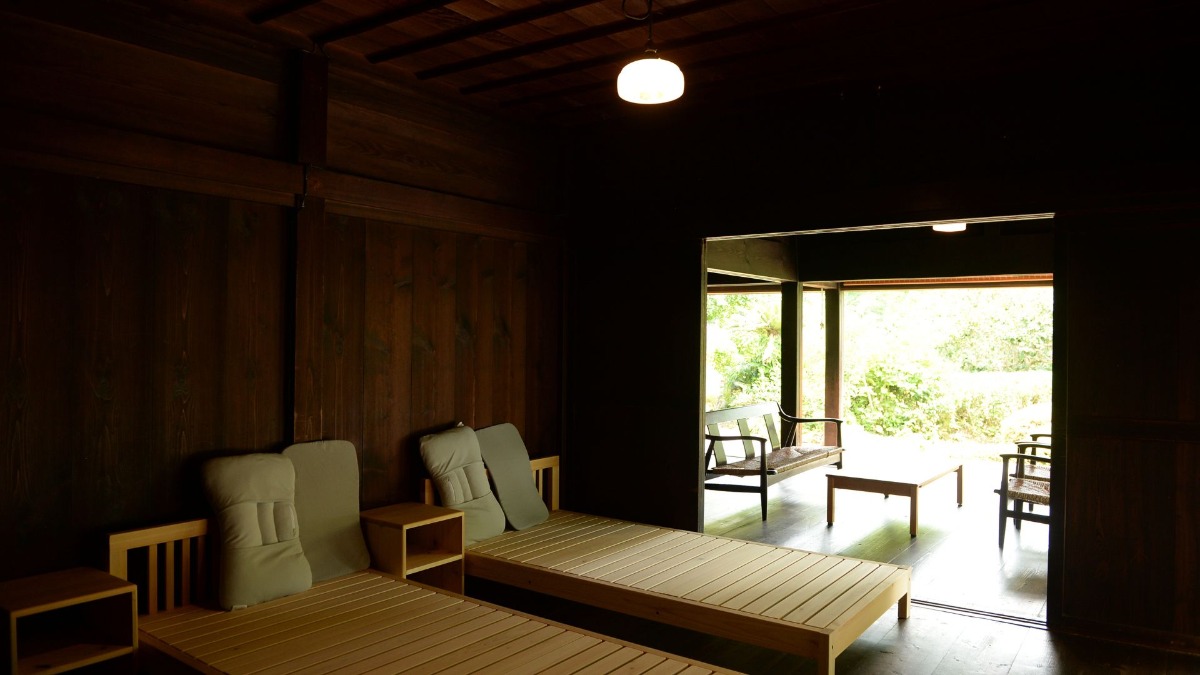
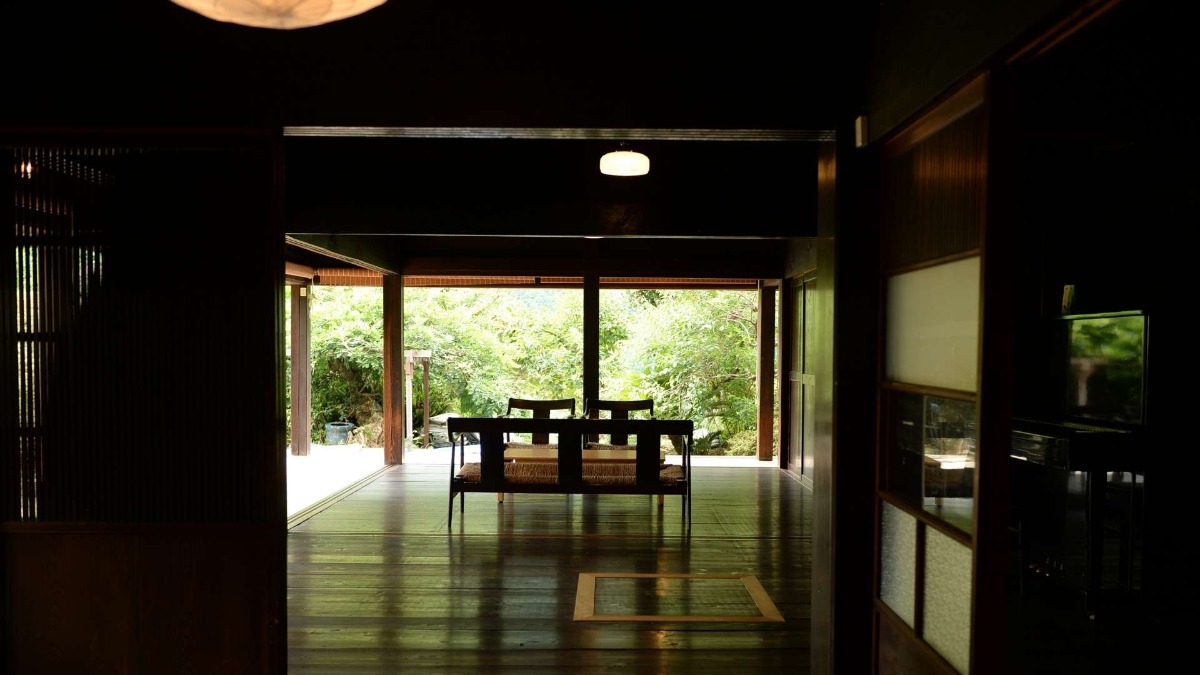
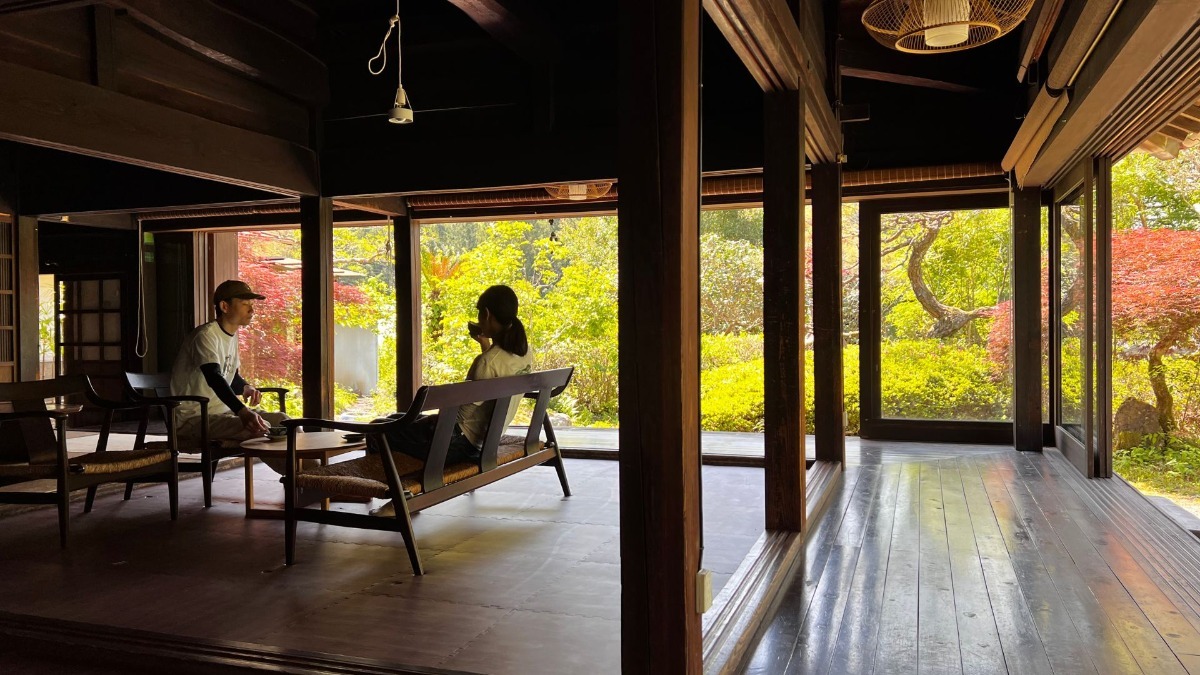 Traditional Japanese furniture and European sofas welcome you.
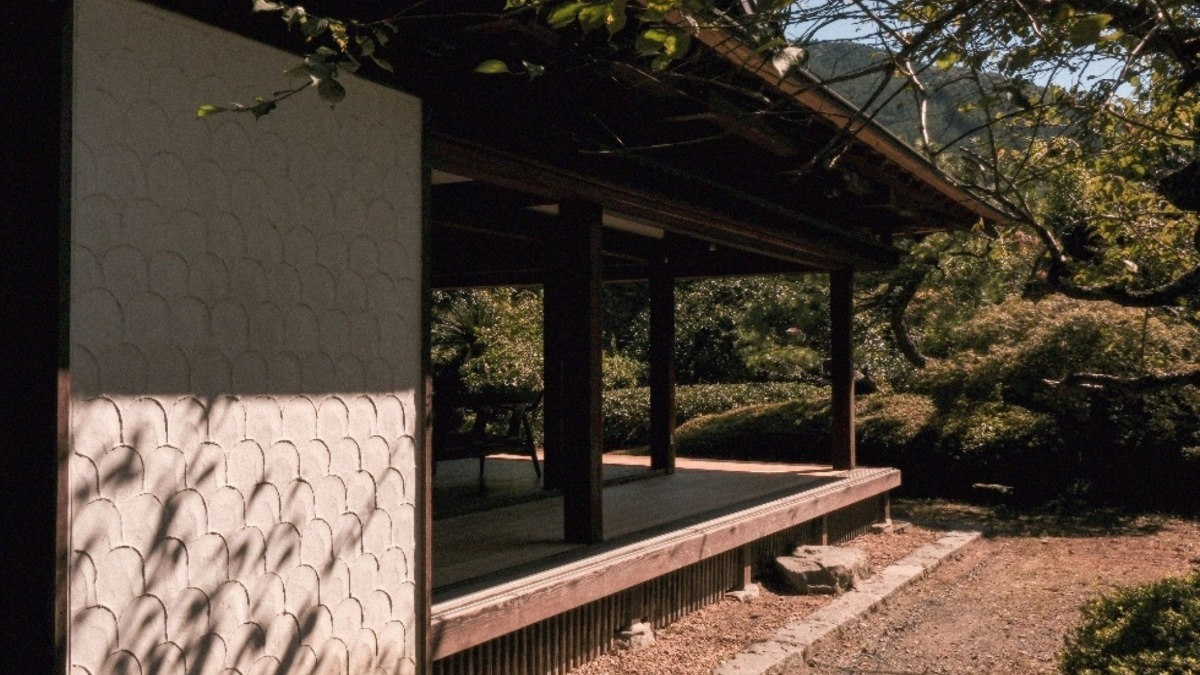 The front uroko (scale) pattern is made with shikkui plaster—an expression of a plaster craftsman's playful spirit from over 100 years ago.*shikkui=lime plaster
This house embraces all kinds of people and moments—with a quiet strength and timeless warmth.
Facility Information
Access
SHIZUOKAAOI-KU, SHIZUOKA-SHIHirano 135
Important Notes
Check-in / Check-out
Check-in
14:00 ~ 19:00
Check-out
~11:00
Policy
Cancellation Policy
Children's Policy
Bed sharing policy
Facilities & Services
Room Facilities & Amenities
Amenities / Facilities / Bathroom
Facilities & Services
Common Area / Food Facility / Transport
Facility Precautions
Smoking Policy
The entire property is strictly non-smoking. This traditional farmhouse is over 250 years old and holds cultural value similar to a heritage property. If you must smoke, please use the designated area near the parking lot with your own ashtray. Smoking near the building is strictly prohibited.
Bathroom & Toilet Facilities
Please note that the bathroom and toilet are located in a separate building. The main house is a preserved Edo-period structure (now retrofitted for earthquake resistance). To access the bath and toilet, you’ll need to walk about only 10 steps outside from the rear entrance. Depending on the season or weather, the walk may be chilly or uneven underfoot. We hope you’ll enjoy this unique aspect of staying in an authentic Japanese farmhouse.
About Heat and Cold
This house was built around the time of the American Revolution, over 250 years ago. While some insulation has been added and air conditioning is available, temperature control is not as perfect as in modern buildings. Please be aware that you may feel a bit warm in summer or chilly in winter depending on the season. That said, the traditional design of the house helps it stay relatively cool during the summer. In winter, we provide padded “hanten” coats to help keep you warm—please feel free to ask if needed.