A Note from Asagiya
Asagiya — a place to feel the journey
A place different from the everyday.
Flavors you are tasting for the first time.
Moments shared with people you meet along the way.
And a space unlike any other.
To travel
is to step away from daily life
and rediscover a richness of feeling
that quietly awakens your senses.
On a hillside in Hida Takayama,
we renovated a wooden home
over 90 years oldand transformed it into a small, intimate stay.
May your time at asagiya
become a journey to remember.
Hida Takayama’s Old Town
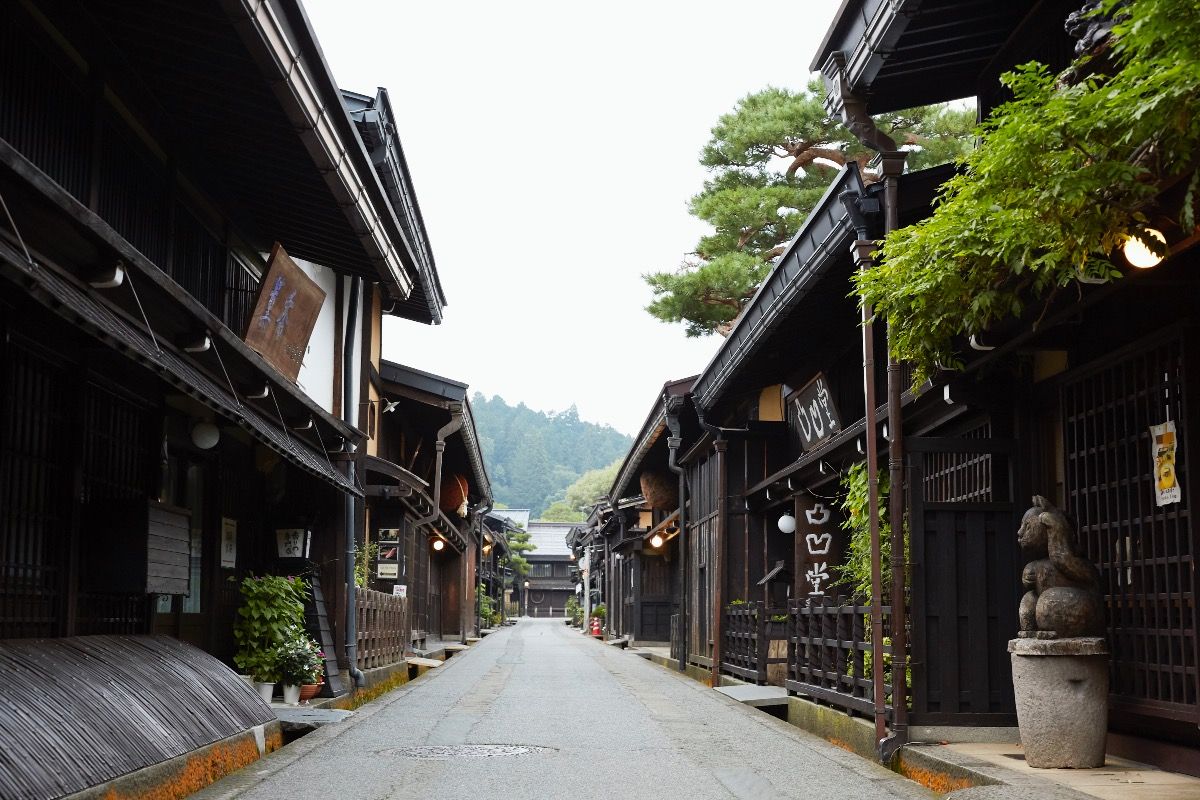
The historic center of Takayama flourished as a castle town
and a merchant district from the Edo period onward.
Lined with traditional townhouses built
from the late Edo era through the mid-Meiji period,
the streetscape known as Hida Takayama’s Old Town
has been carefully preserved.
Today, this area is designated by the Japanese government
as an Important Preservation District for Groups of Traditional Buildings,
protecting its architecture and atmosphere
as a living reminder of Japan’s past.
Exploring the Old Town
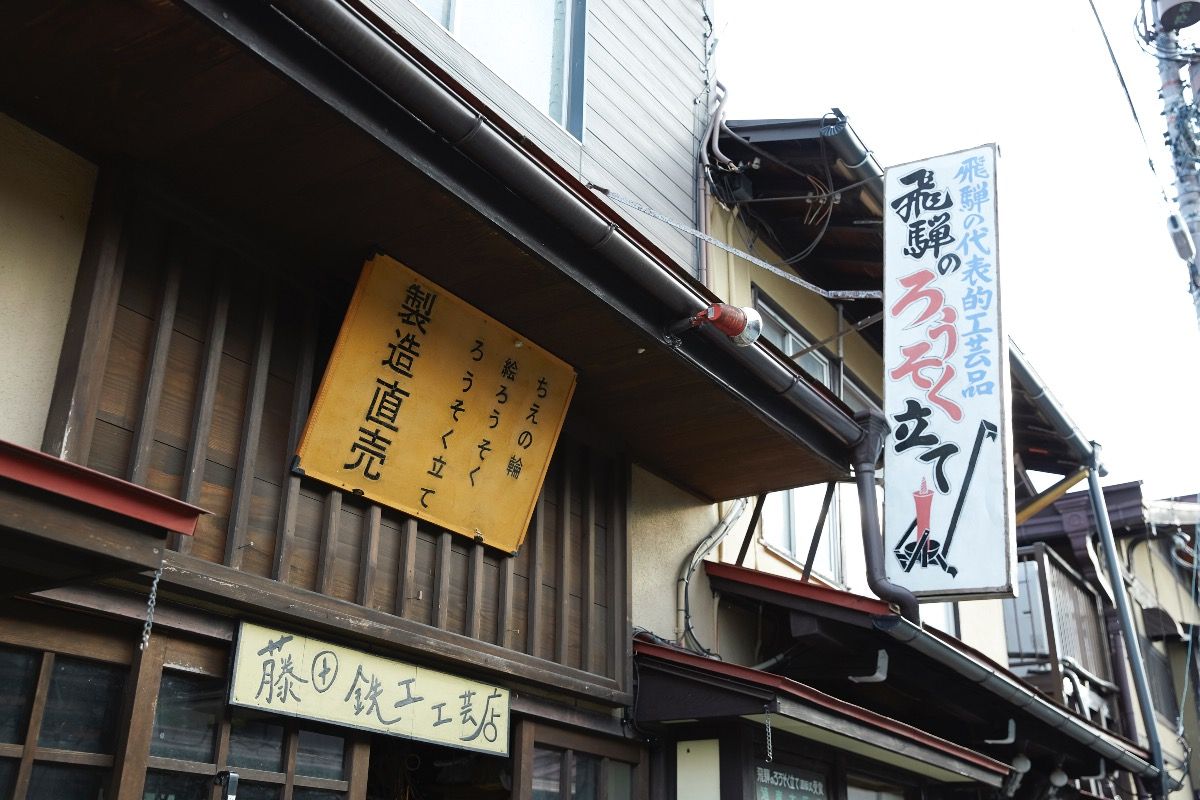
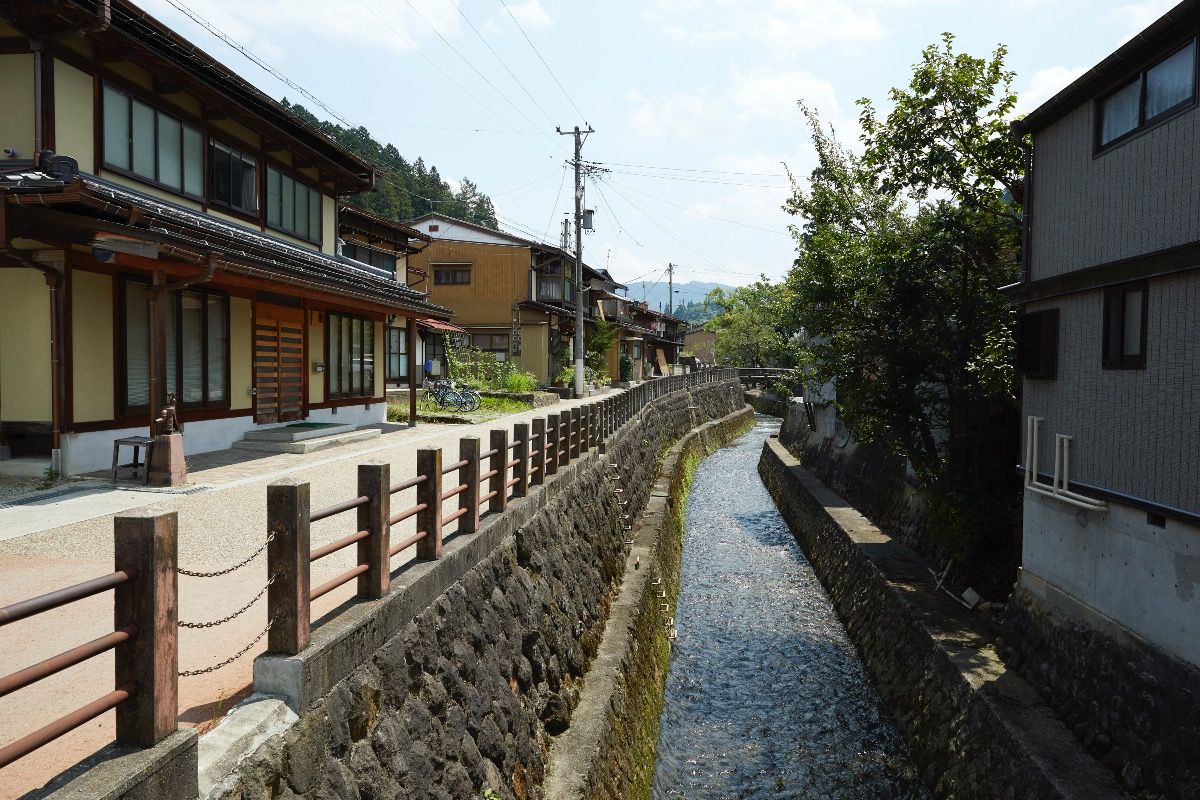
Beneath the eaves lined with projecting wooden lattice windows,
quiet waterways flow alongside the street.
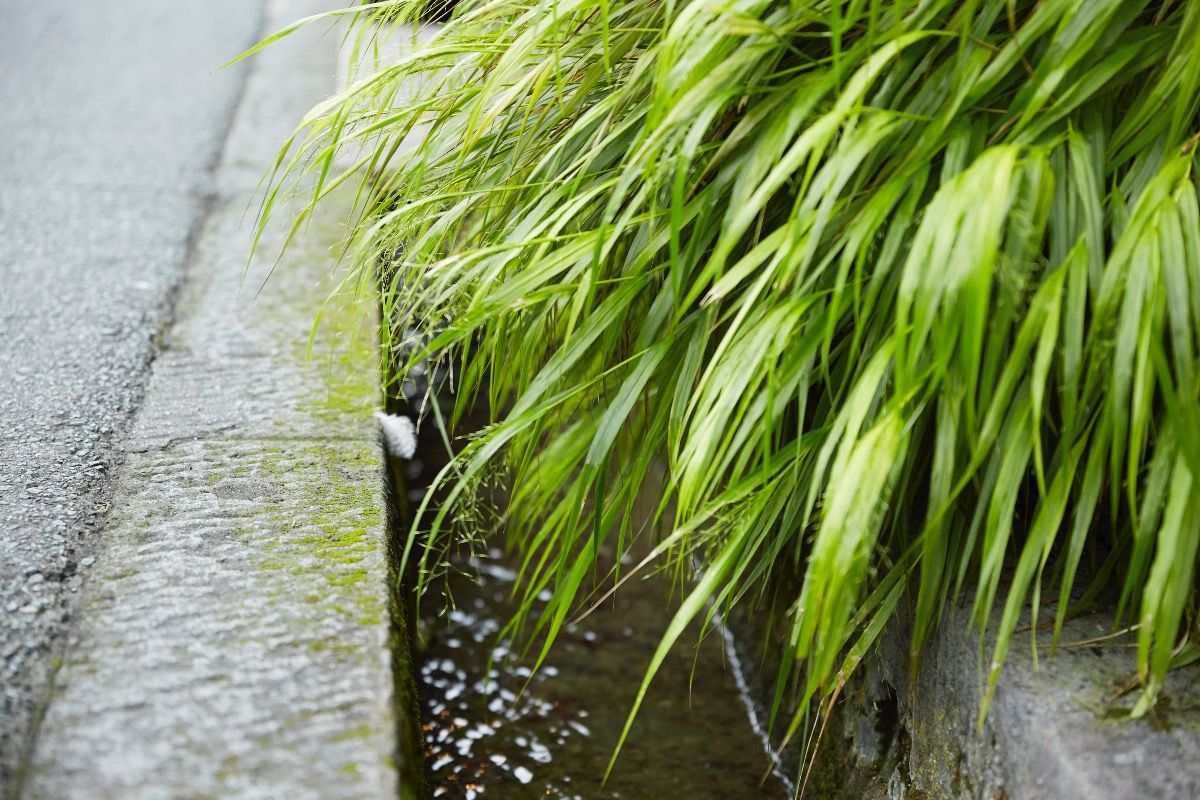
At the entrances of traditional sake breweries,
you’ll often see sugidama — balls of cedar leaves —
hanging as a sign of freshly brewed sake.
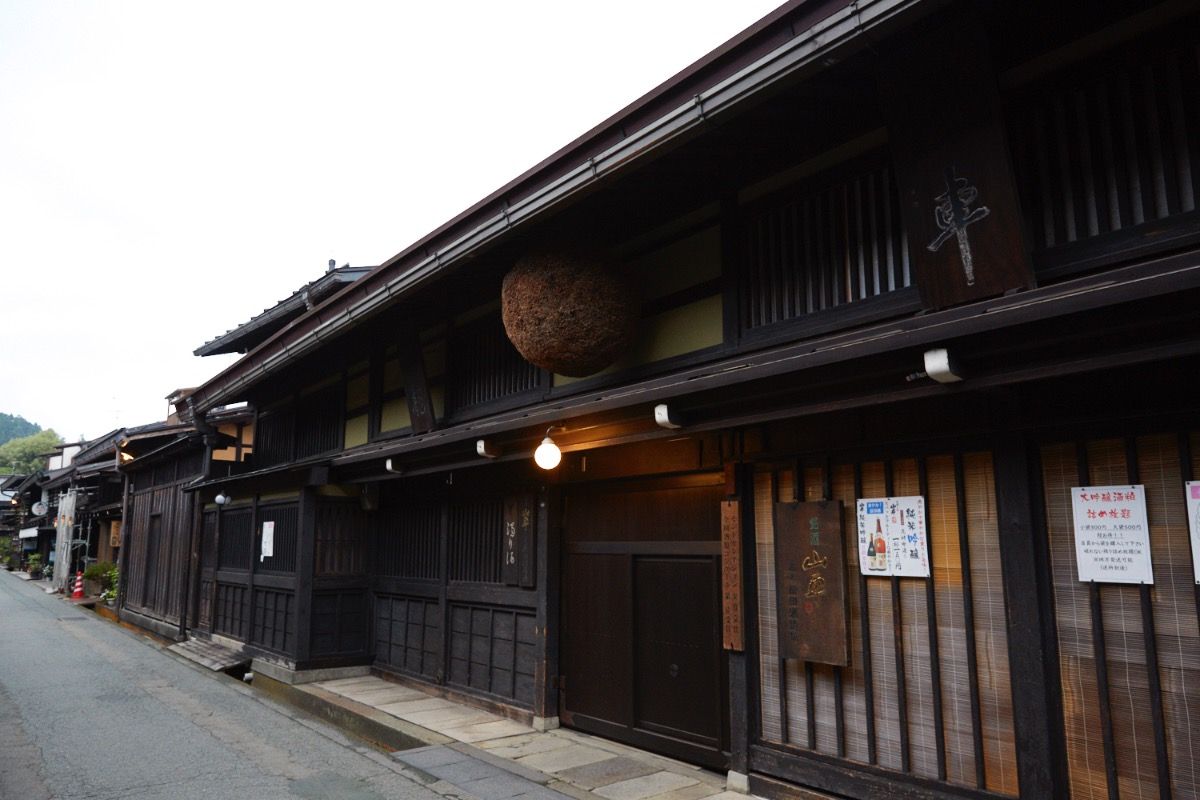
These details invite you to wander slowly,
taking in the deep atmosphere of a town
where craftsmanship and daily life have long intertwined.
Leaving the Old Town behind
and walking up a gentle slope,
you’ll find asagiya,
resting quietly on higher ground.
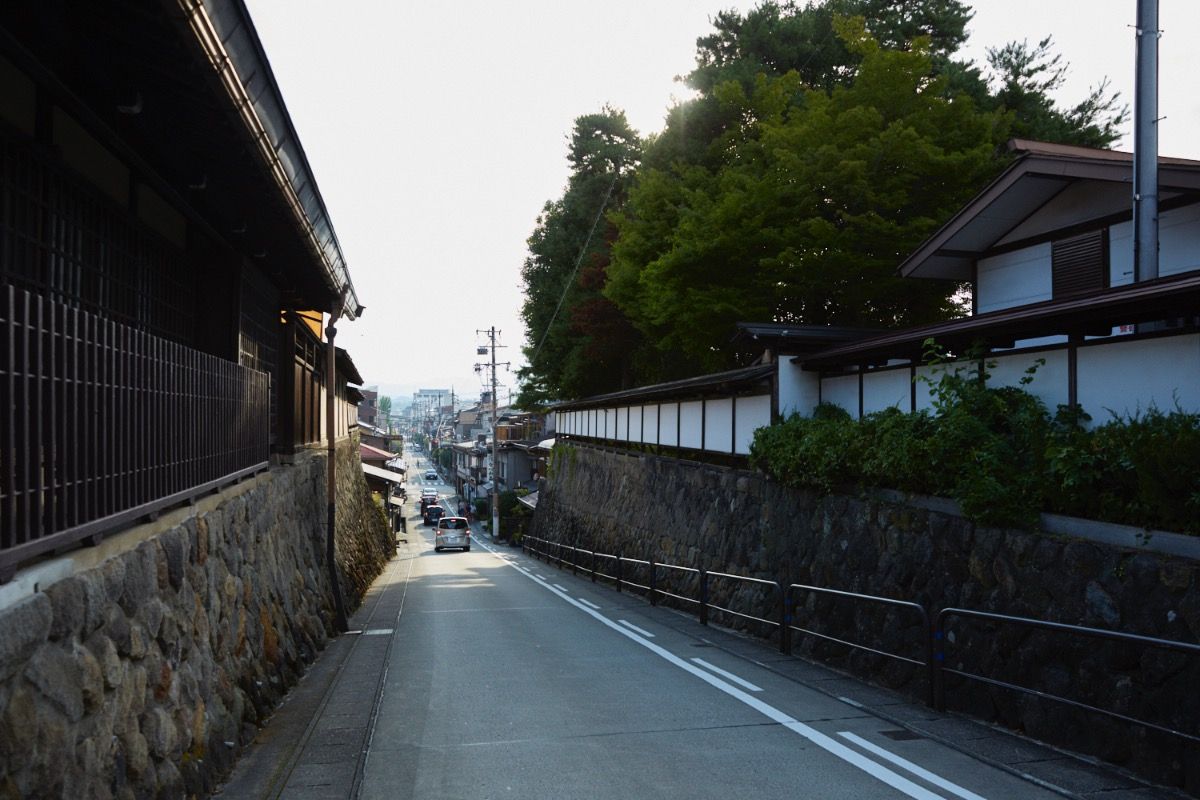
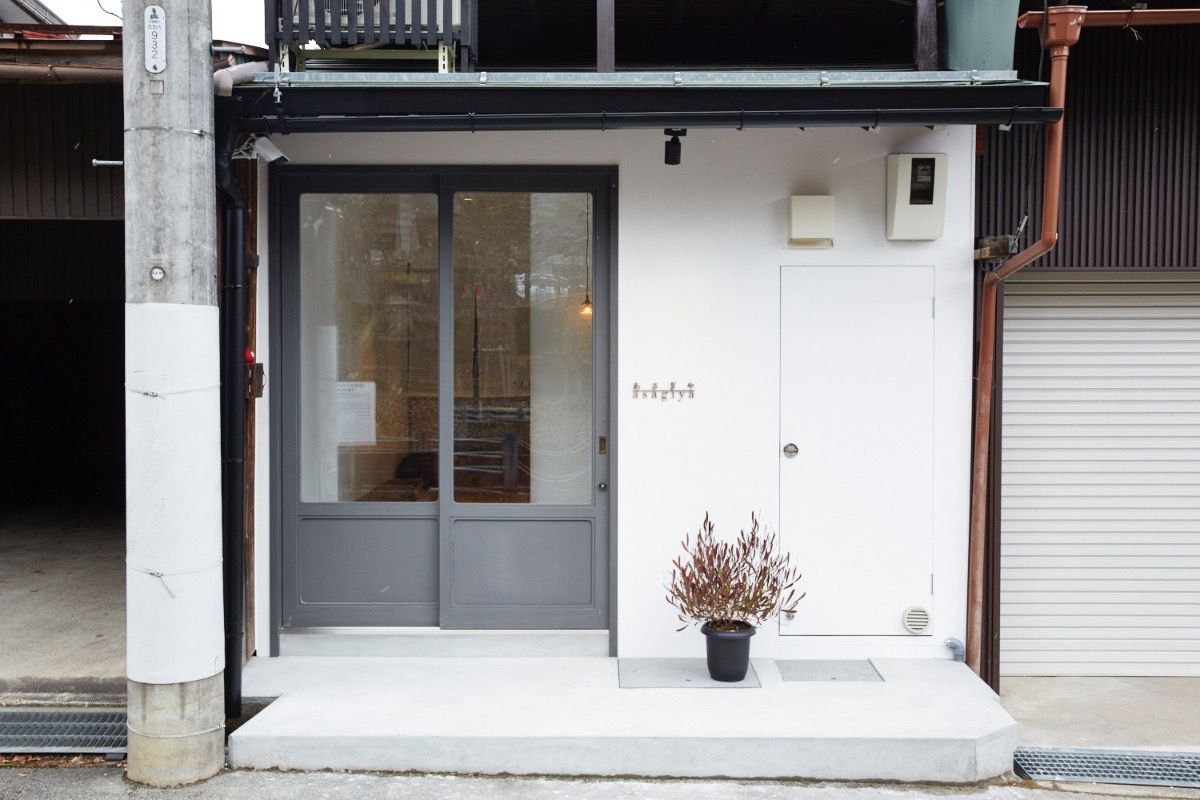
Carefully Chosen Details
A thoughtfully arranged space,
furnished with pieces selected with care.
As you step inside, you are welcomed by a light created by
Sota Azuchi, a glass artist born in Takayama
who continues to create his work in this region.
The softly rippled glass shade gently diffuses a warm, calming glow.
Its quiet light eases the tension of travel,
inviting you to slow down
and settle into the moment.
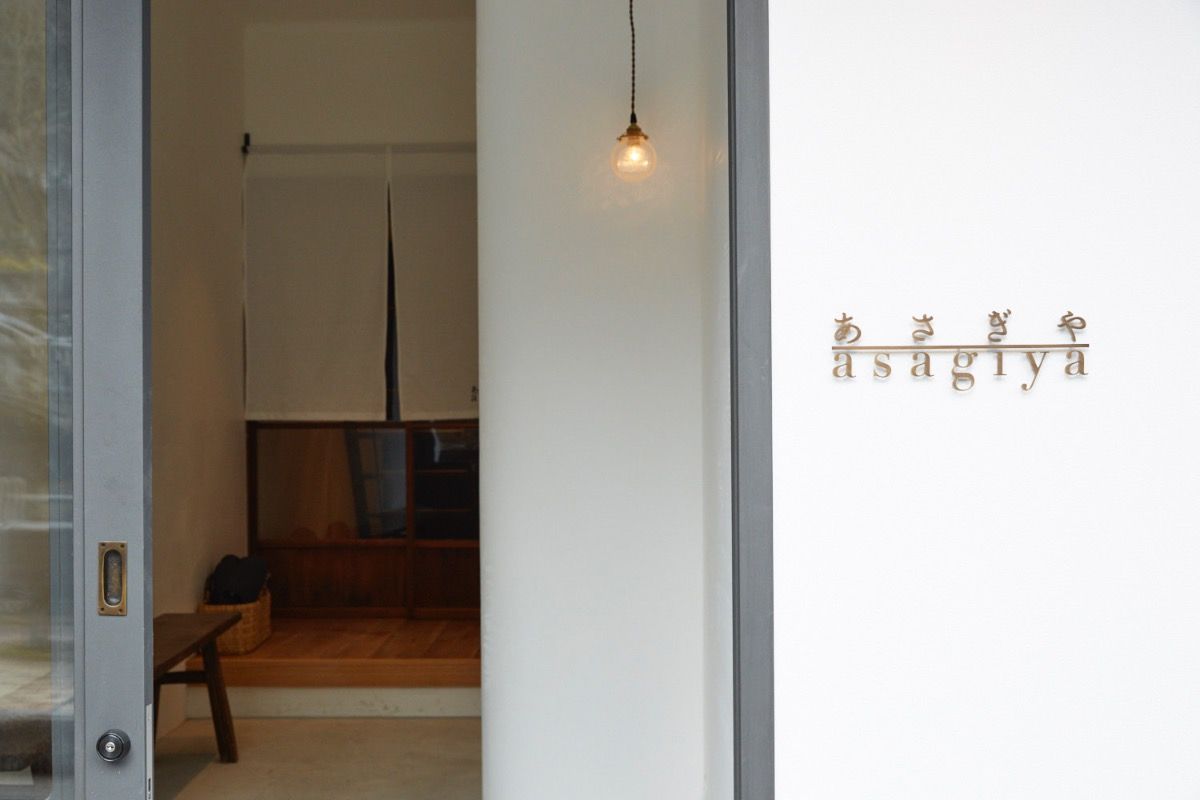
Interior Details
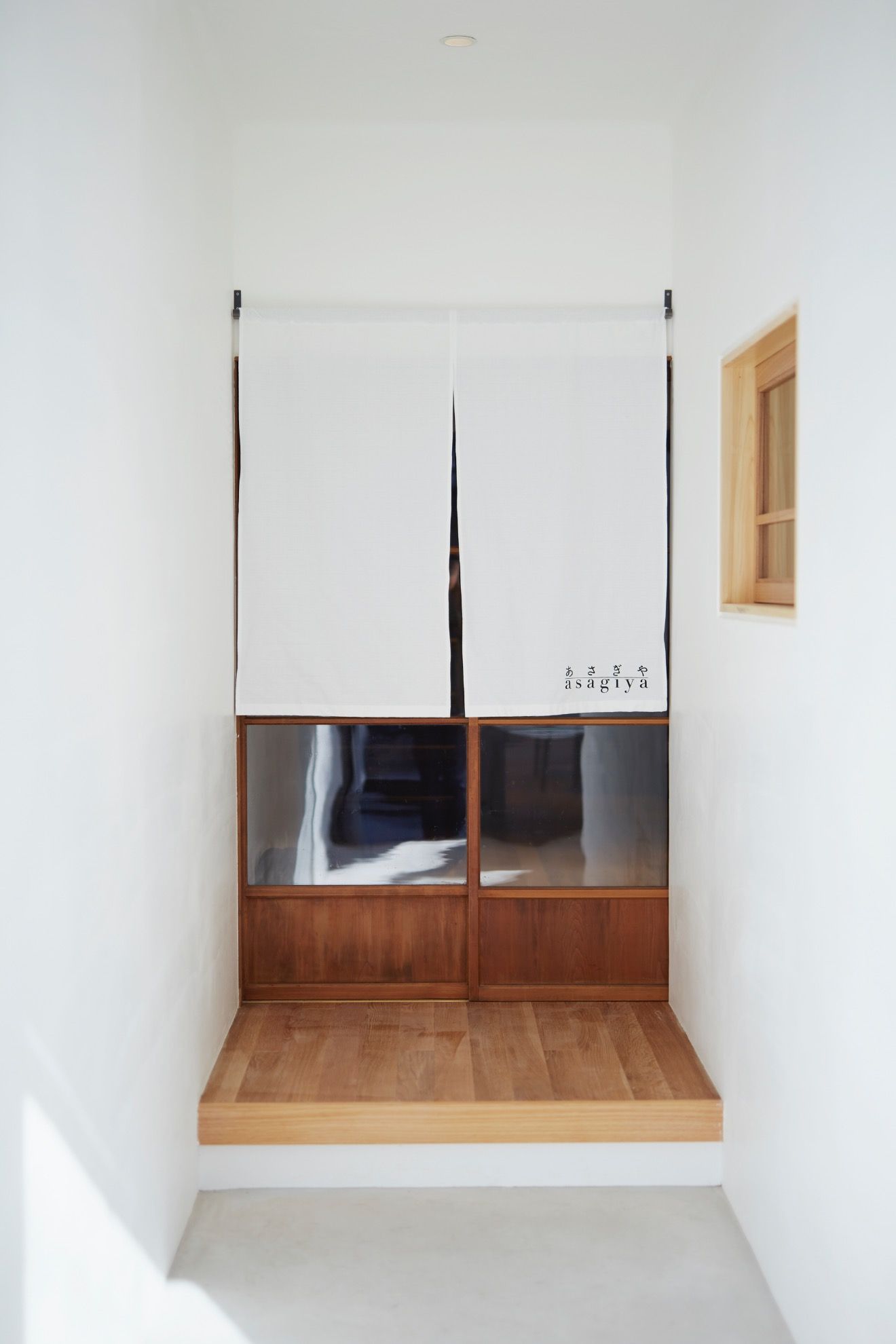
Glass sliding doors preserved from the original home,
built in the early Showa period,
remain as they were — their gentle wavering texture beautiful with age.
An original NOREN curtain has been paired with these doors,
quietly marking the passage from one space to another.
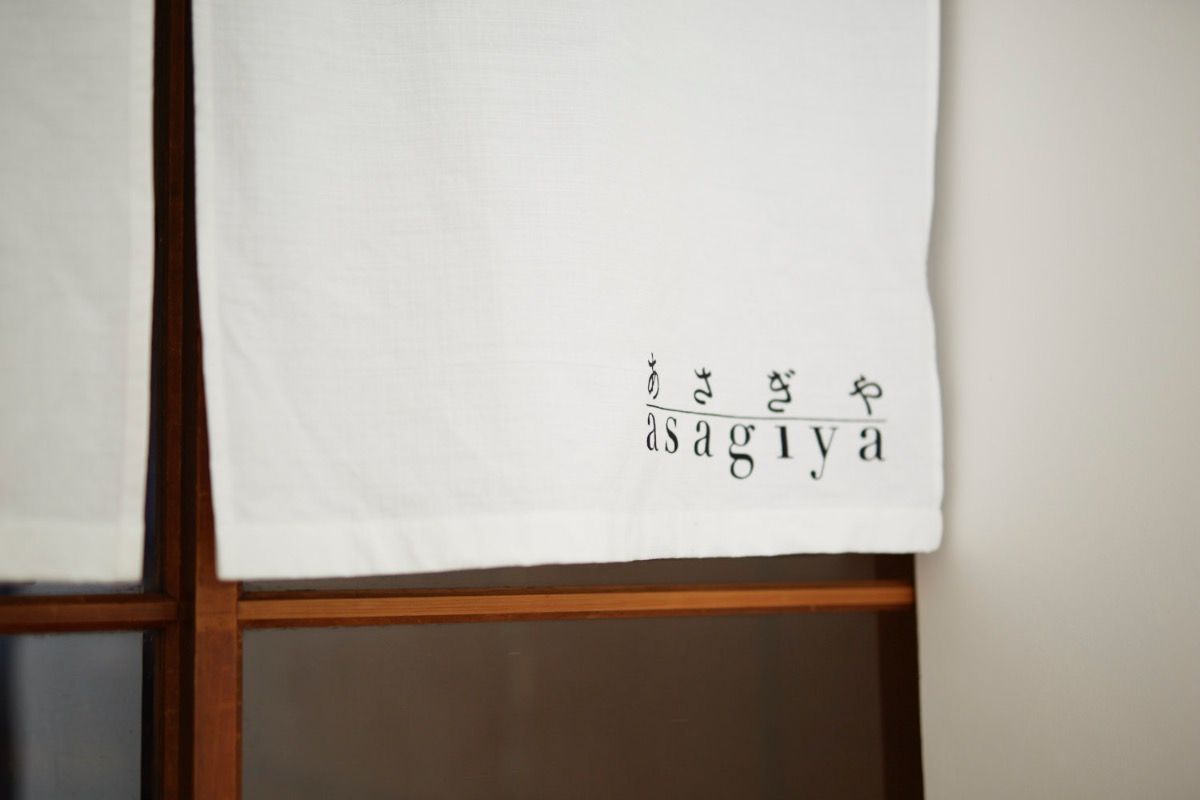
Passing through the NOREN you enter the kitchen and living–dining area.
A microwave, electric kettle and a compact refrigerator are provided.
Please note that there is no stove so cooking is not available.
Instead,
we invite you to enjoy the flavors of Takayama
at the local restaurants nearby.
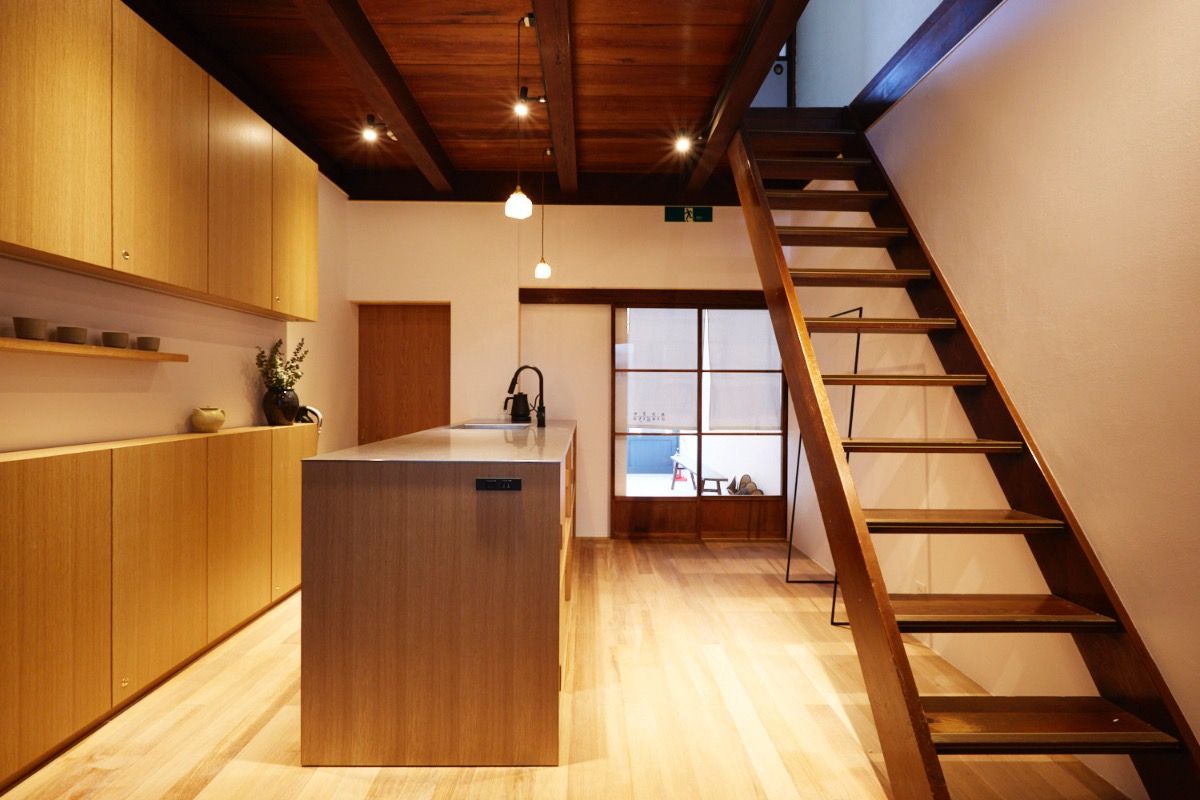
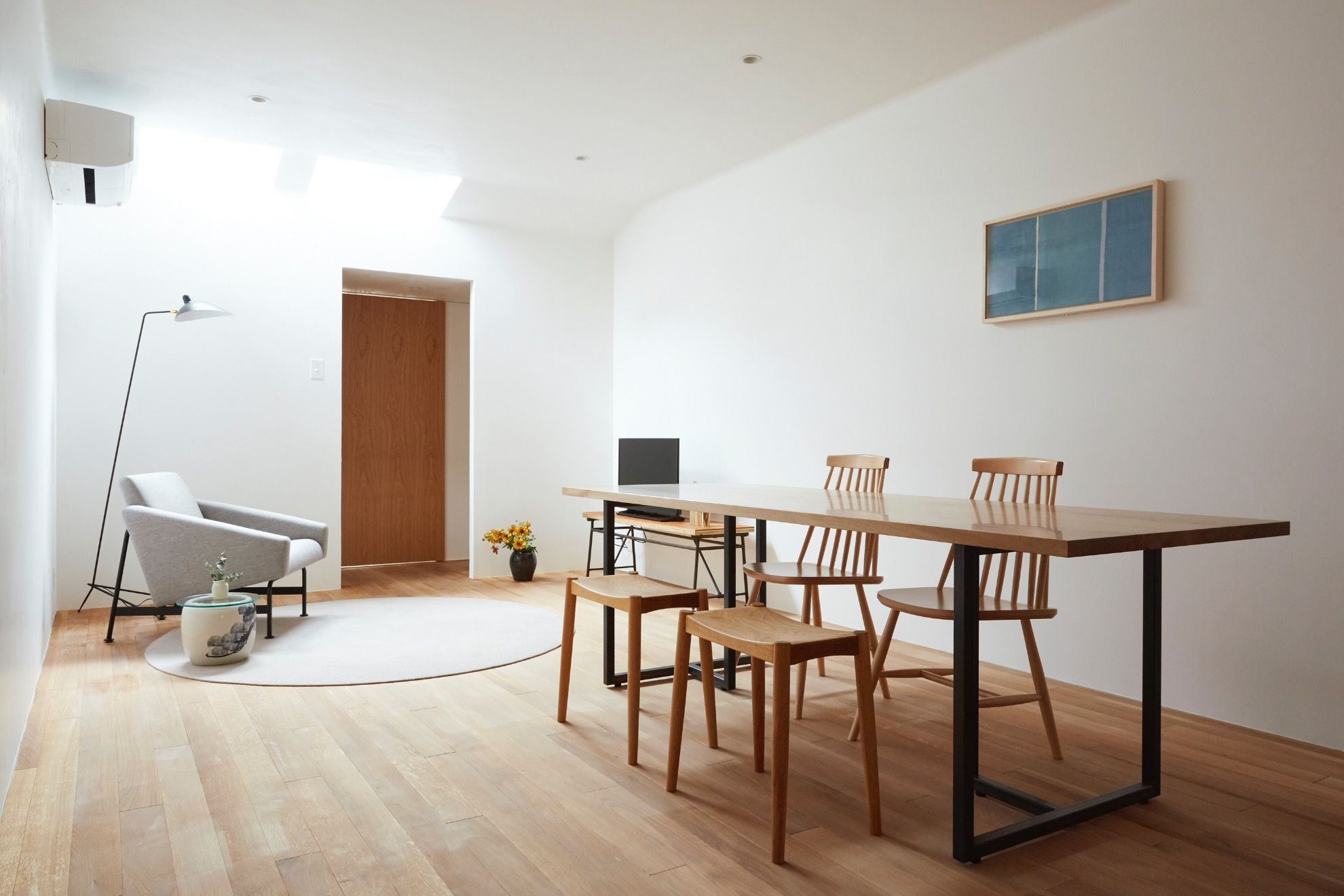
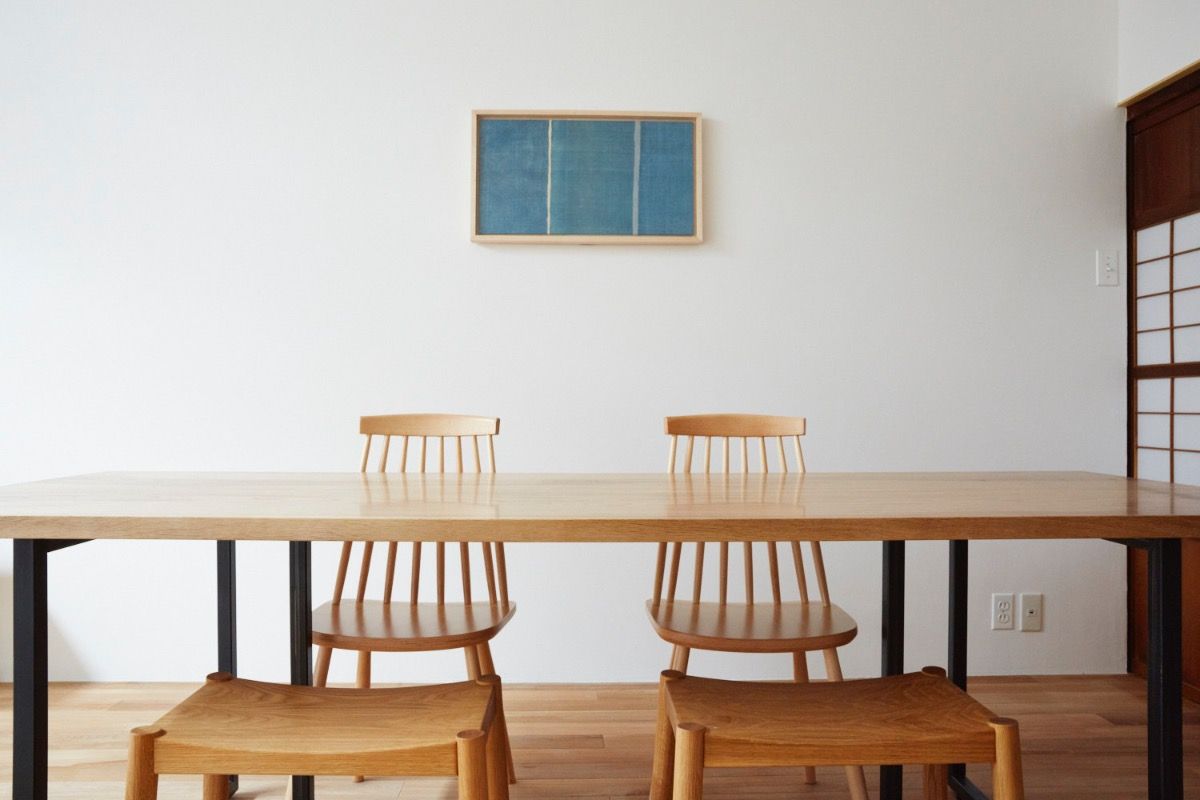
The living–dining space features solid oak flooring,
walls finished in traditional Japanese plaster with natural humidity control,
and a table made from solid oak paired with steel legs finished in matte black.
Simple in form,
yet carefully designed with both beauty and function in mind,
this is a space meant for slowing down.
Light pours in softly through the skylight —an ideal place to sink into the sofa and lose yourself in a good book.
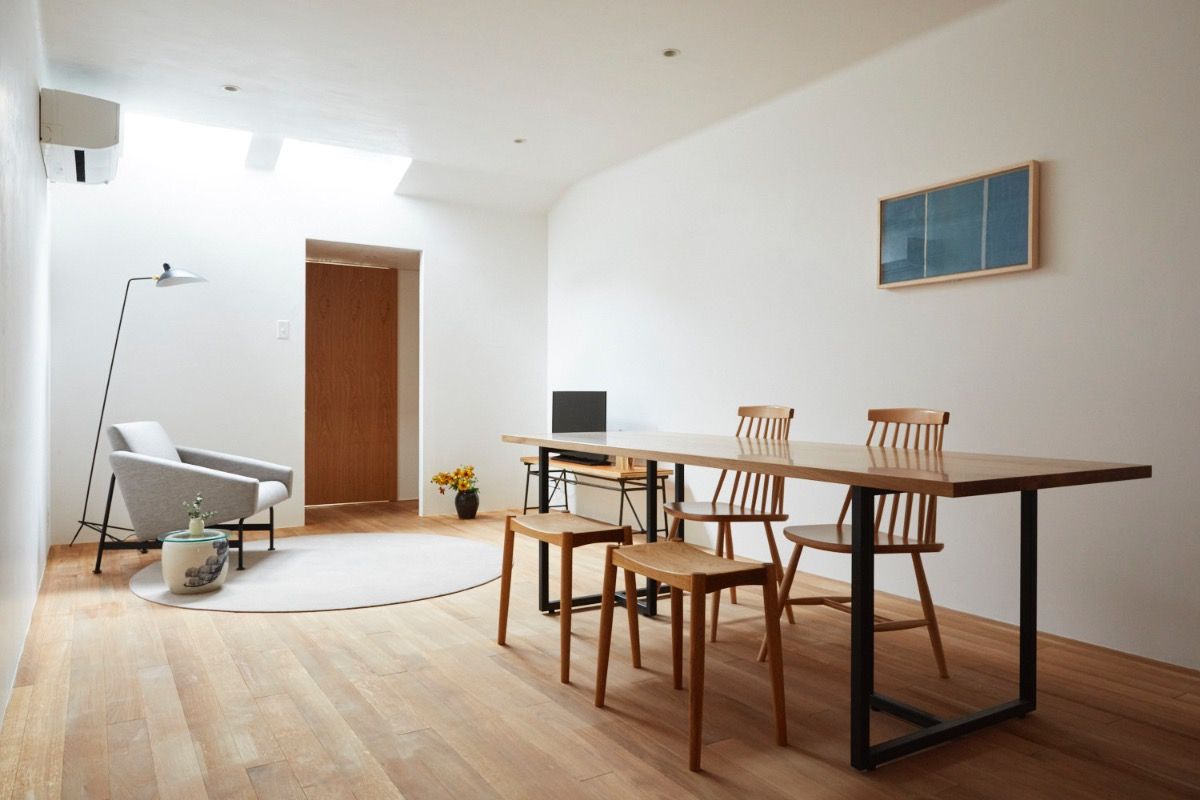
Asagi — the color that tells a story
Displayed in the room is an artwork made from antique textiles
in shades of asagi,
the soft blue that gave asagiya its name.
Hemp, cotton, and silk are layered together,
each carrying its own subtle tone of asagi.
This traditional Japanese color has gently shifted over time,
changing with each era —
a quiet reflection of history woven into cloth.
Bath, Tatami & Rest
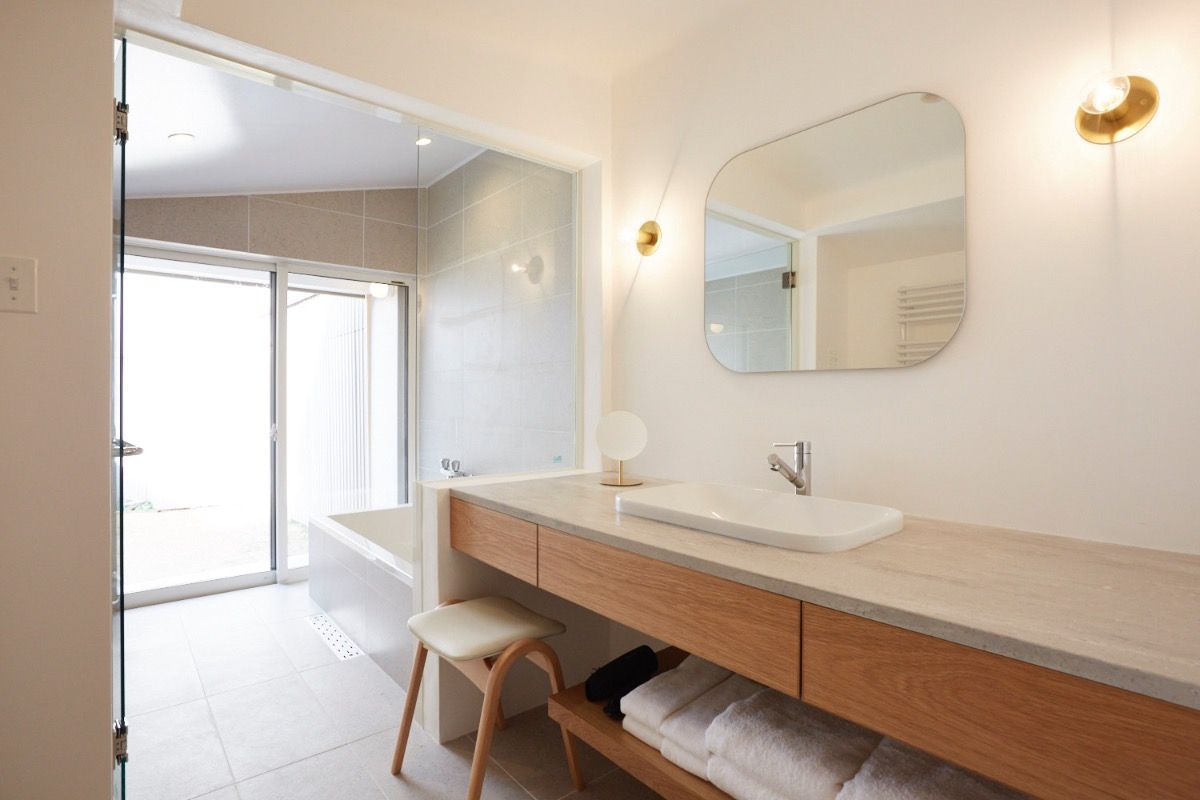
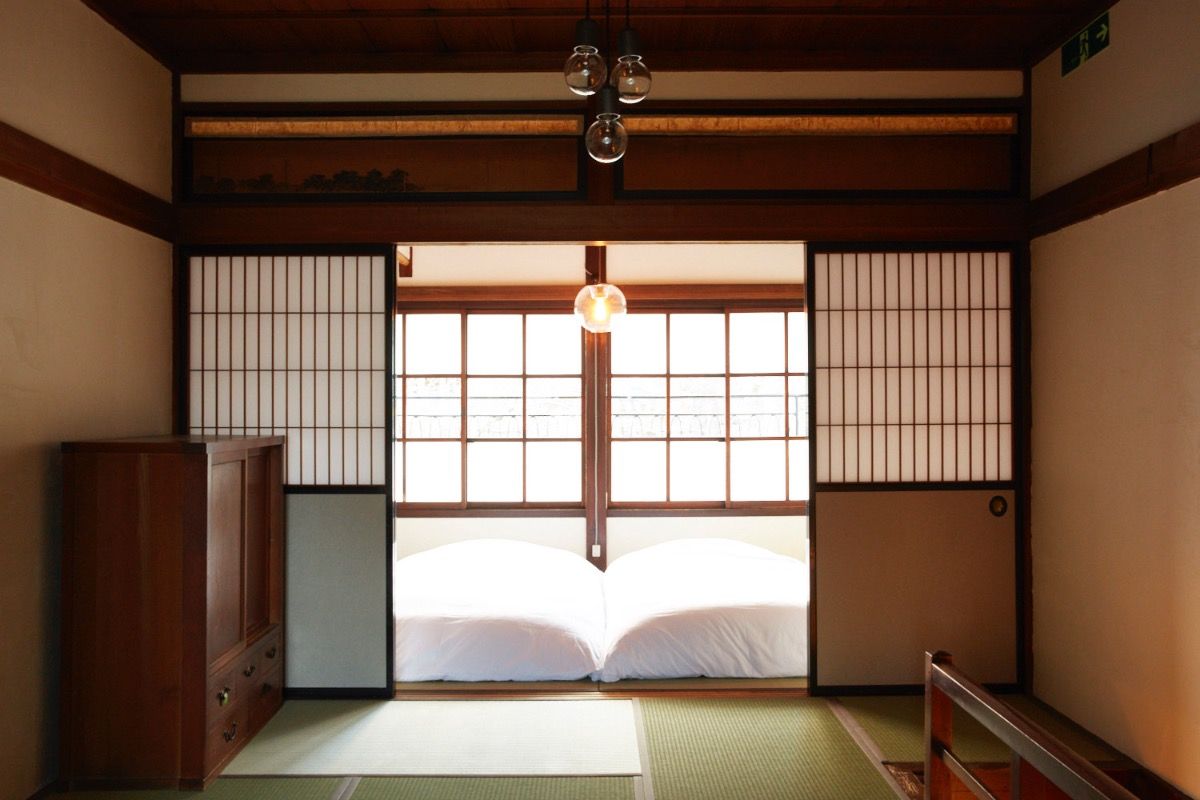
A spacious bathroom and a tatami-floored bedroom
offer moments of deep relaxation.
Tucked beyond the living area,
the bathroom looks out onto a small inner courtyard.
Soak in the bath, let time slip away,
and enjoy a quiet, unhurried moment of rest.
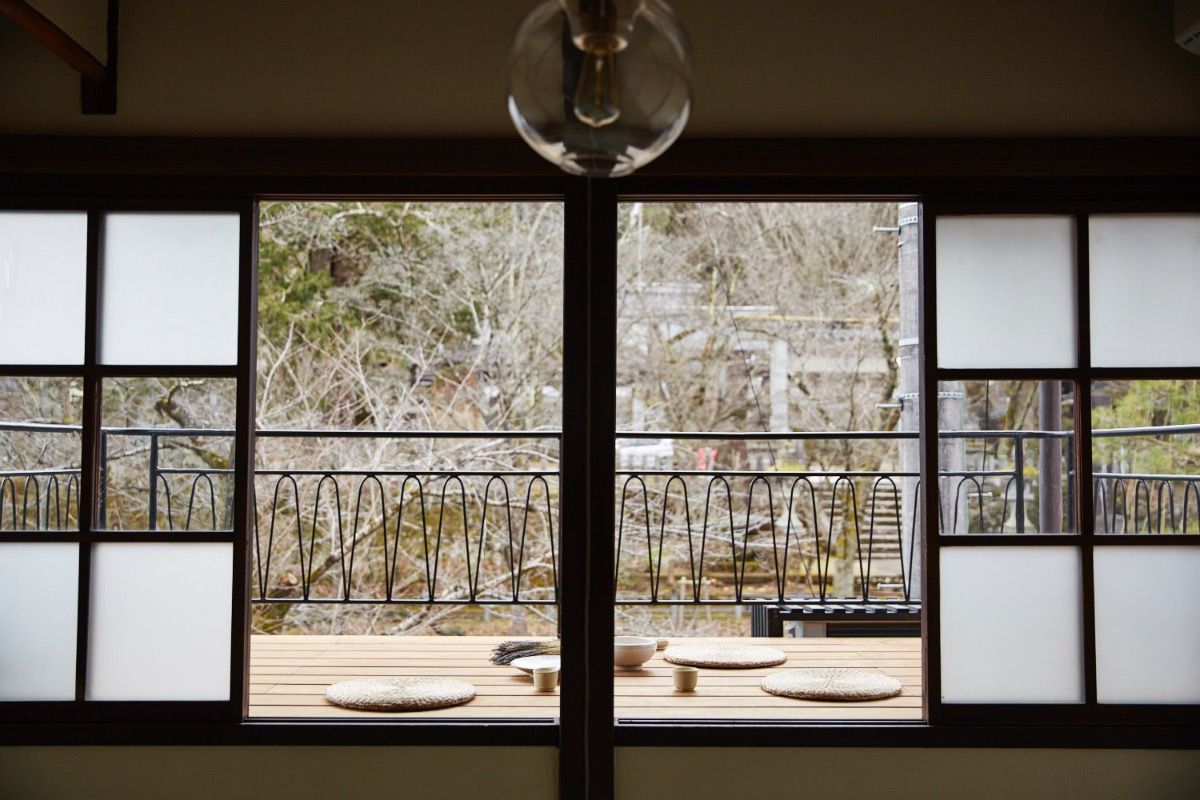
Climb the stairs beside the kitchen to reach a tatami room and balcony.
From the balcony, you can see the shrine across the way,
its presence unchanged for nearly a century.
Here, you can feel the subtle shift of the seasons
while gazing upon a view that has remained
much the same for generations.
Spending time with this timeless scenery is an experience in itself.
At night, futons are laid out in the tatami room for a restful sleep.
Our custom-made futons are one of asagiya’s quiet prides,
offering the generous comfort of hotel-quality bedding.
Let them gently ease the fatigue of your journey
and guide you into a peaceful night’s rest.
A Few Things to Do in Takayama
Drawn to Takayama’s rich ingredients and beautiful natural surroundings,
the owner of asagiya opened this stay
with a simple wish —
to create a place where guests can truly feel the character of the land.
Here are a few recommendations,
discovered by walking the streets,
listening to local stories,
and tasting Takayama firsthand.
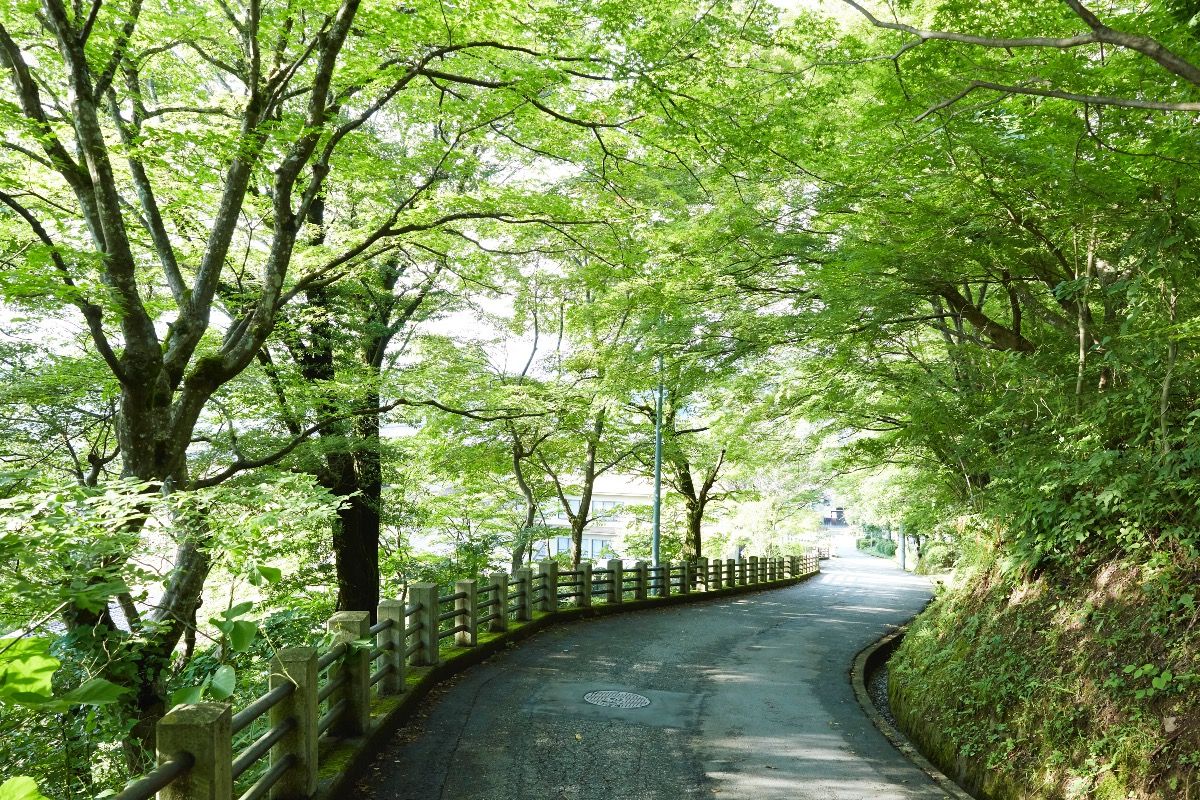
Just a short walk uphill from asagiya
lies the ruins of Takayama Castle Ruins within Shiroyama Park.
From here, you can enjoy sweeping views
over the town of Takayama below.
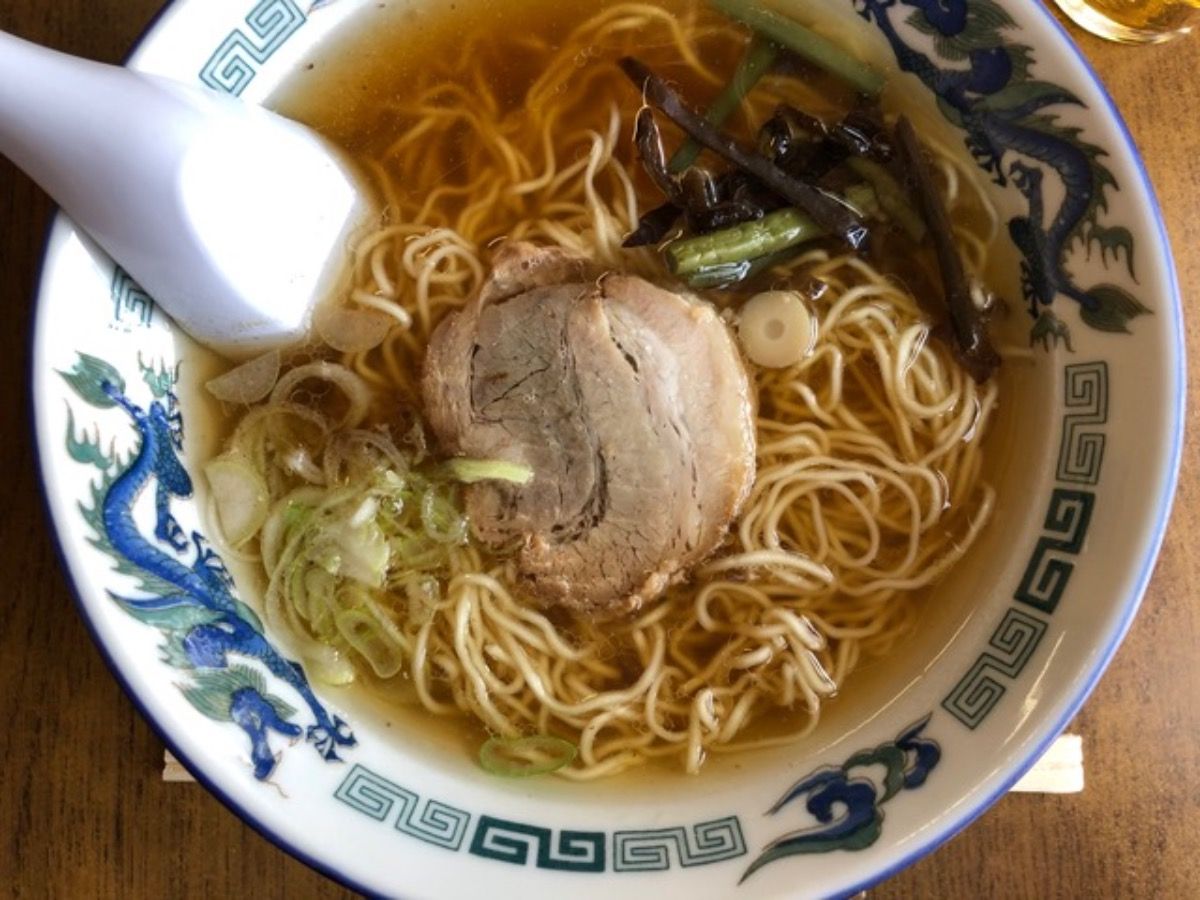
Within the Ninomaru area of Shiroyama Park,
you’ll find Musashi a beloved spot frequented by locals.
Their Chinese-style ramen is especially well known —
simple, comforting, and deeply satisfying.
Places to Wander & Discover Higashiyama Walking Course
Strolling through an unfamiliar town at an unhurried pace
is one of the true pleasures of travel.
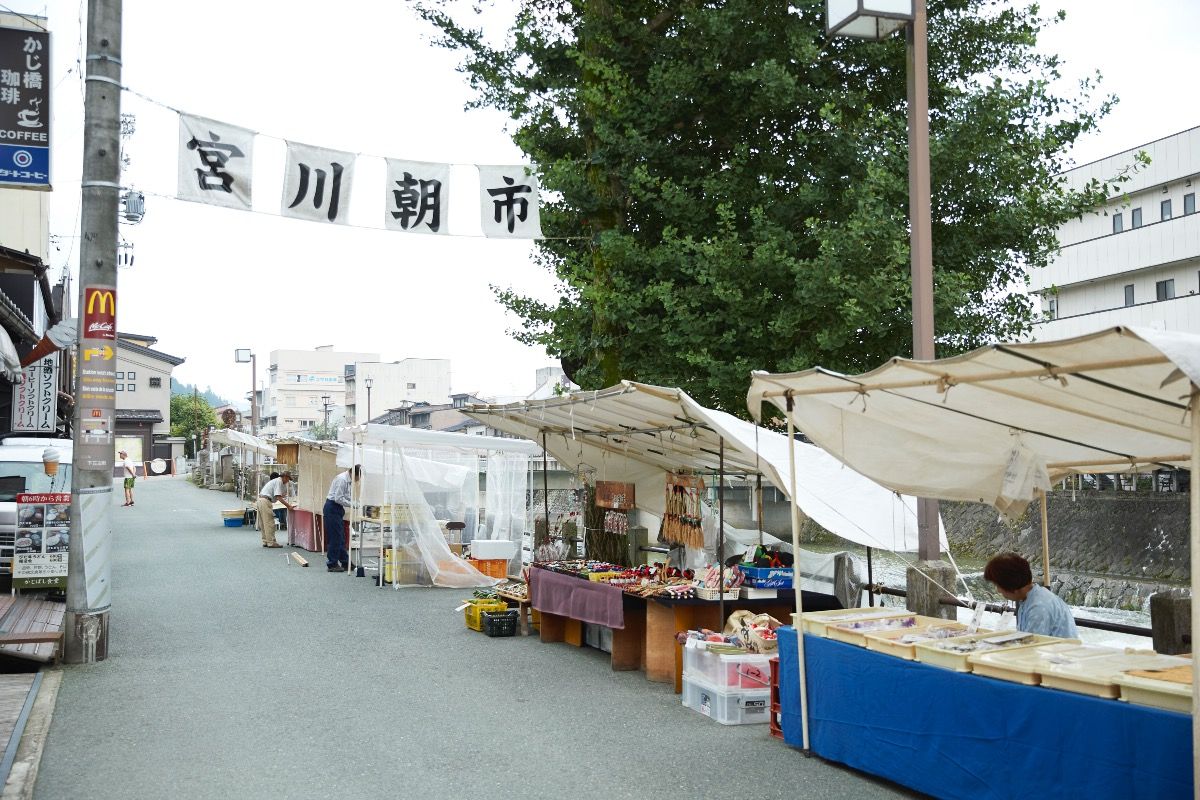
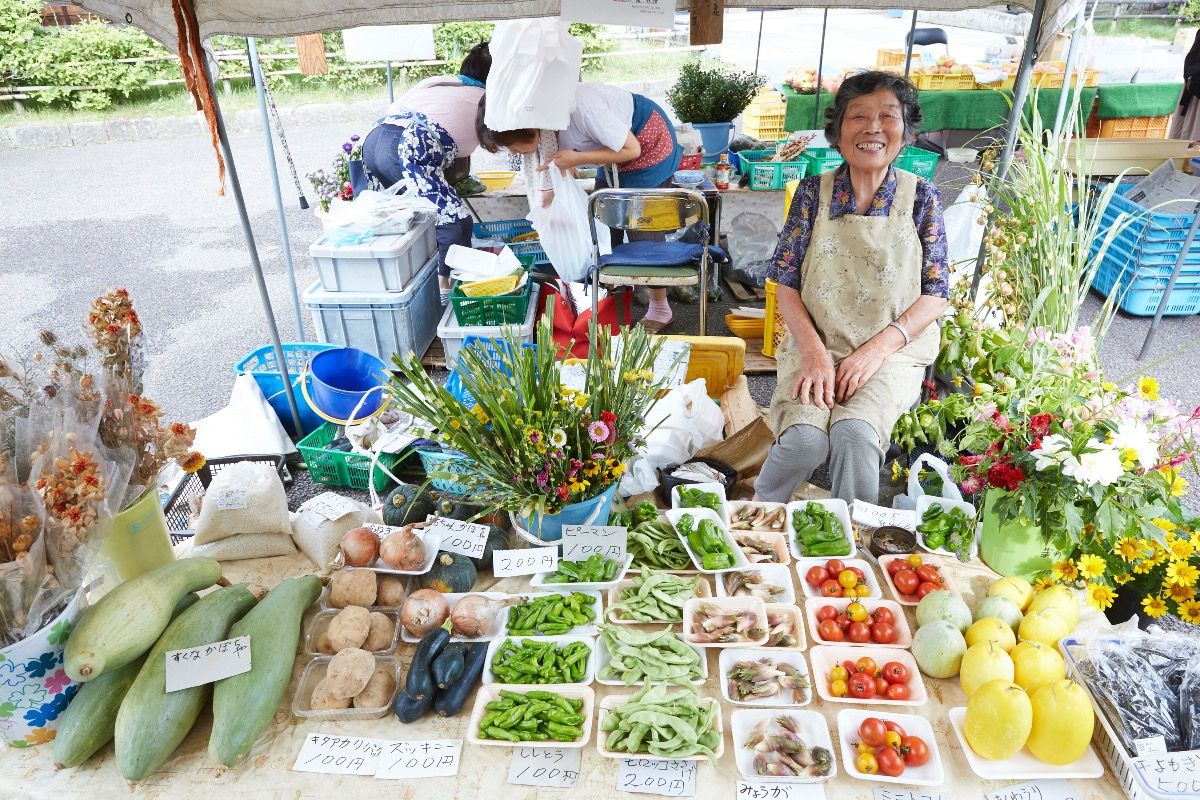
Morning Market
Held every morning from around 8:00 a.m. until noon,
Takayama’s morning market is filled with freshly harvested vegetables and fruit.
You’ll also find homemade pickles and seasonings,
lovingly prepared by local women —
thoughtful souvenirs that carry the taste of the region home with you.
A unique stop in Asahimachi
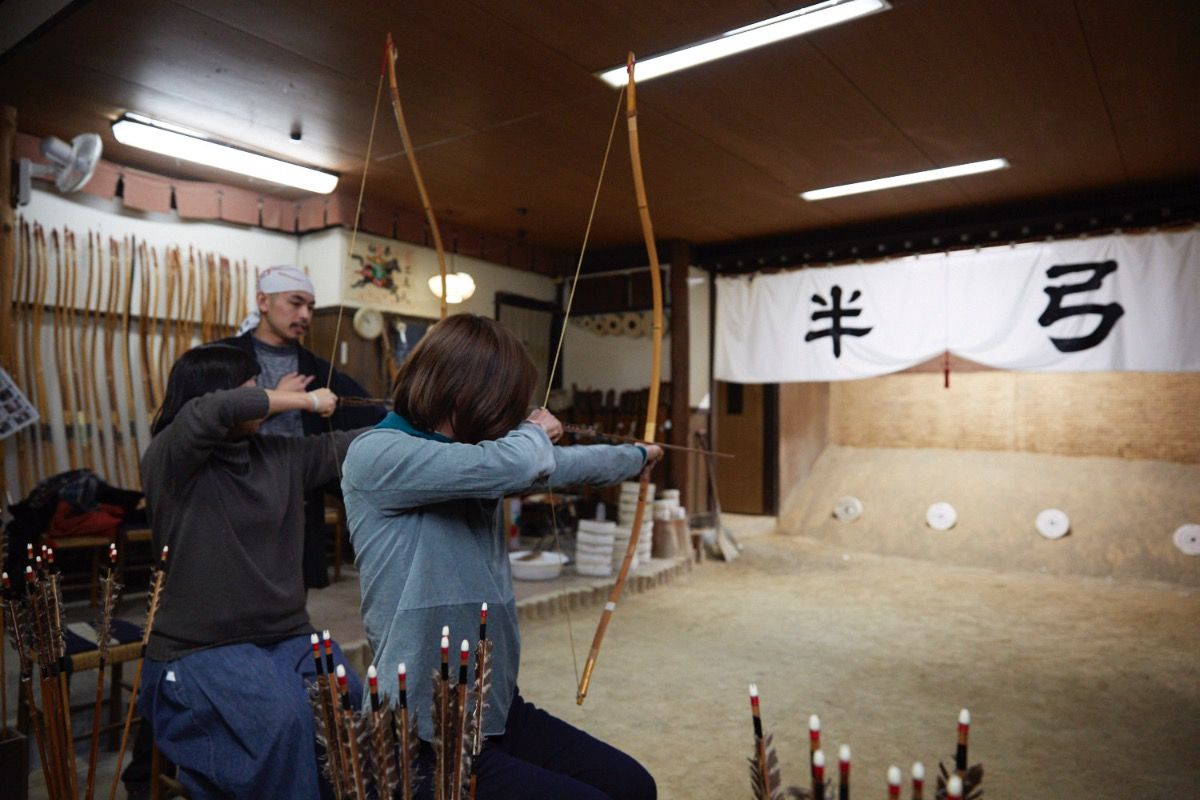
In Asahimachi, Takayama’s lively drinking district,
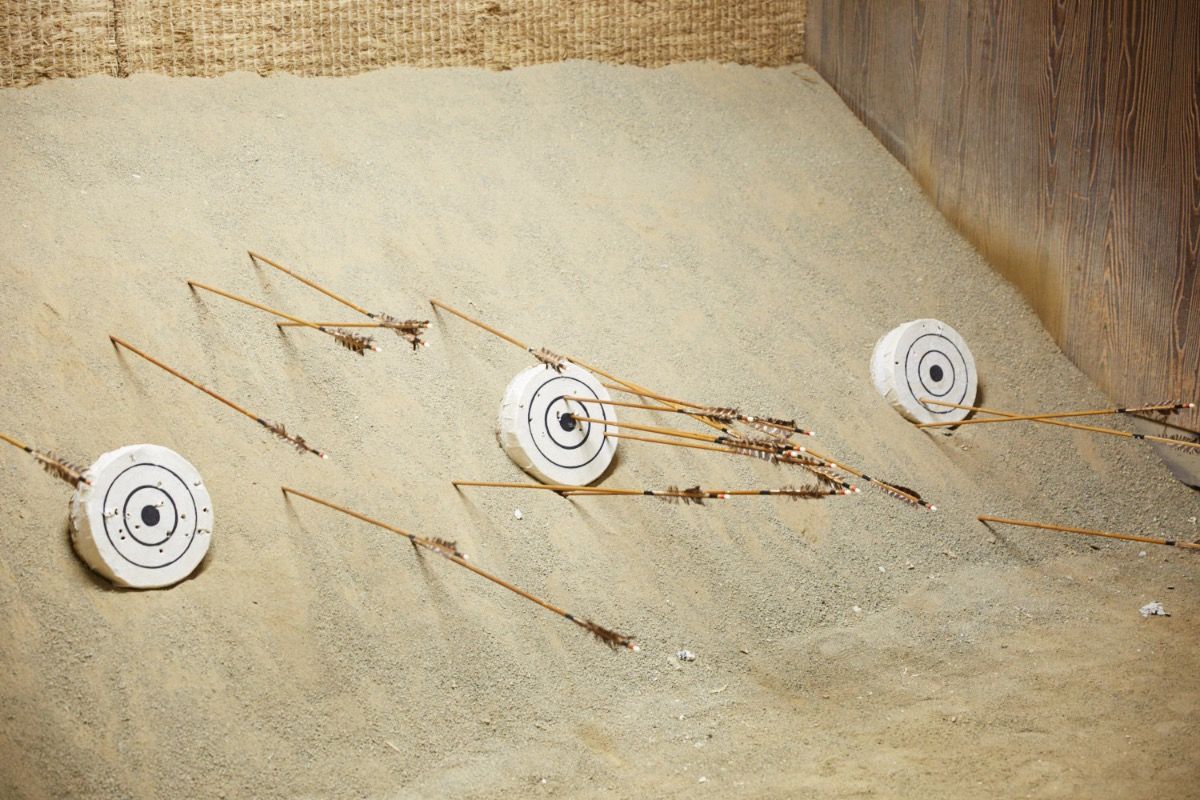
you’ll find the Hankyudojo,
a kyudo (Japanese archery) hall offering a rare experience.
Even beginners are welcome to try their hand at archery here.
It’s surprisingly fun to step in for a session between drinks —
stopping by casually, enjoying a shot or two,
and then heading back out into the night.
The taste of Zaigo cuisine
When it comes to local food in Takayama,
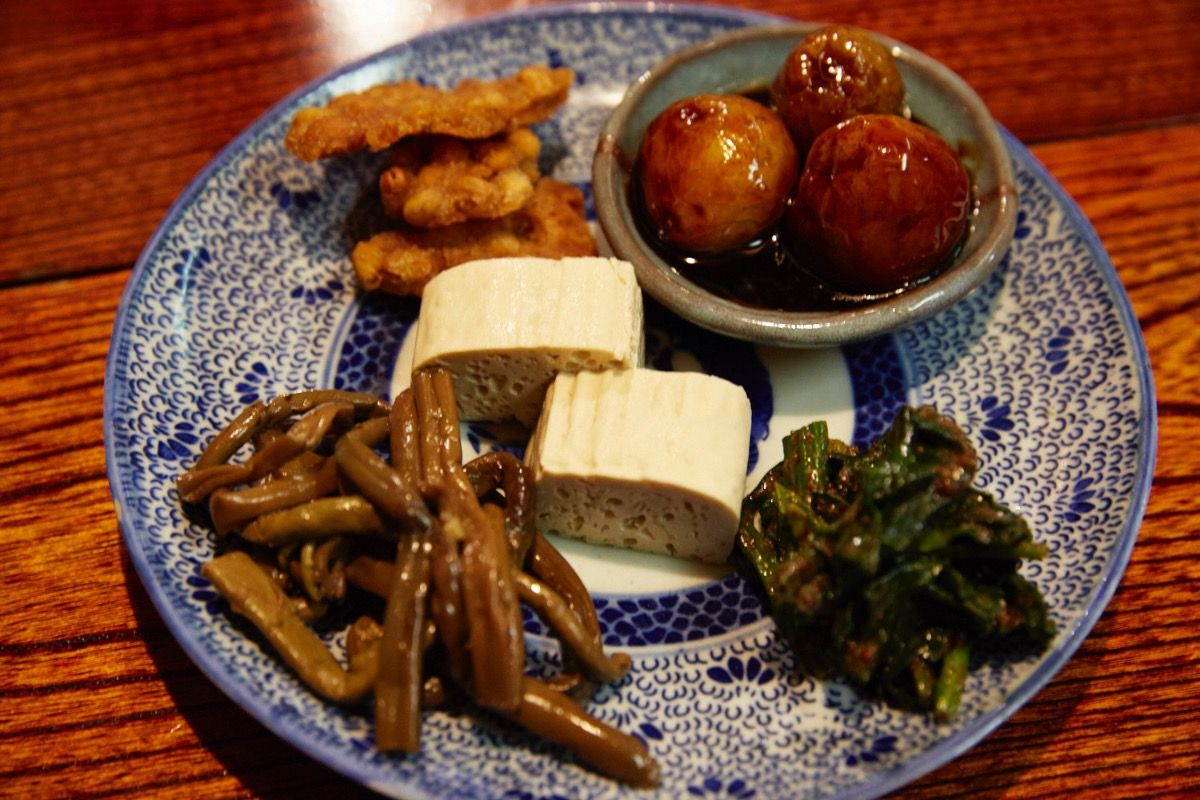
zaigo cuisine offers a deep connection to everyday life and tradition.
Originally prepared as celebratory dishes for festivals,
zaigo cuisine features seasonal ingredients,
alongside preserved foods unique to the region —
all thoughtfully arranged on a single table.
Typical dishes include
komo-dofu (tofu gently rolled in bamboo mats and boiled),
mame-tsukage — gently simmered local beans, simple and comforting koroimo — small taro potatoes slowly simmered until tender
warabi simmered to tenderness,
and vegetables dressed with fragrant egoma (perilla).
Together, they capture the essence of Takayama’s flavors —
simple, honest, and deeply rooted in place.
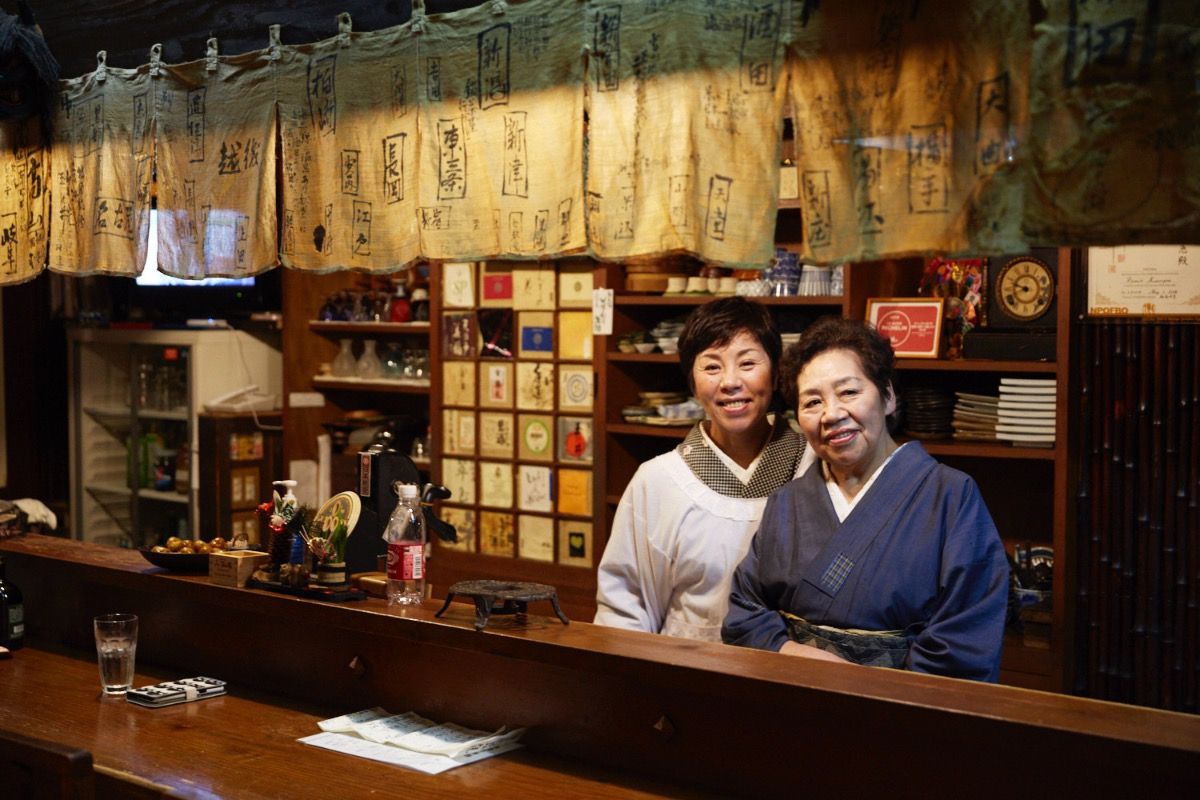
A local favorite for zaigo cuisine
To experience this traditional meal we recommend Taruhei,
a small, long-established restaurant with more than 50 years of history.
Beloved by locals Taruhei offers a chance to enjoy zaigo cuisine
as it has been passed down through generations —
quietly prepared, carefully served, and rich with memory.
And there’s still more to discover
There’s so much more we’d love to share —
a wonderful onigiri shop perfect for breakfast,
a local supermarket ideal for finding everyday souvenirs,
a beautifully restored traditional house filled with handmade ceramics and folk crafts,
and an izakaya we always seem to return to,
where everything on the menu is simply delicious.
Rather than listing them all here,
we introduce each place one by one
on our official Instagram.
Follow along to discover Takayama
through the places we truly love.
https://www.instagram.com/asagiya_jp/
At Your Own Pace
There is nothing extraordinary here.
No host on site.
No set way to spend your time.
At asagiya,
we invite you to slow down and enjoy Takayama
at your own rhythm.
Spend your days as you wish —
resting, wandering, thinking,
or simply doing nothing at all.
Facility Information
Important Notes
Check-in / Check-out
Check-in
15:00 ~ 20:00
Check-out
~10:00
Policy
Cancellation Policy
Children's Policy
Facilities & Services
Room Facilities & Amenities
Amenities / Facilities / Bathroom
Facilities & Services
Common Area